
The Impossible Assignment
December 1891. Springfield, Massachusetts. Dr. Luther Gulick had a problem that was driving him to desperation, and he was about to make it someone else's headache.
The International YMCA Training School was hemorrhaging students. Every winter, the same disaster unfolded: energetic young men who thrived during football season became restless, bored, and disruptive once snow forced them indoors. Gymnastics and calisthenics weren't cutting it. Students were dropping out.
Gulick turned to James Naismith, a 30-year-old Canadian instructor who'd already seen two colleagues fail at this exact challenge. The assignment was simple in theory, impossible in practice: invent an indoor winter activity that would keep thirty athletic young men engaged without destroying the gymnasium.
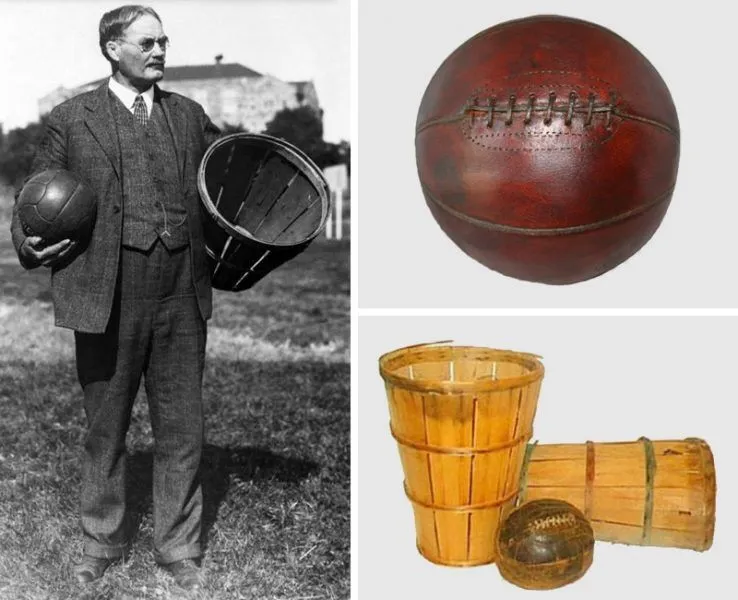 Photo: James Naismith, via i.pinimg.com
Naismith had exactly fourteen days.
The Reluctant Innovator
Naismith wasn't a visionary dreaming of sports glory. He was a practical man facing a career-threatening deadline. His background was in theology and physical education—useful for character building, less helpful for inventing games that would captivate restless athletes.
His first attempts were disasters. He tried indoor versions of football and soccer, but players kept getting injured or breaking equipment. Rugby was too violent for the confined space. Every traditional outdoor sport became chaotic when forced indoors.
With time running out, Naismith sat in his office and analyzed the problem differently. Instead of adapting existing sports, what if he created something entirely new?
The Breakthrough Moment
On December 21, 1891, Naismith walked into the gymnasium with a soccer ball and asked the building superintendent for two boxes to serve as goals. The superintendent didn't have boxes, but he found two half-bushel peach baskets.
Naismith nailed the baskets to the elevated running track that circled the gym—exactly ten feet off the ground. He divided his thirty students into two teams of nine and explained the rules he'd frantically scribbled the night before:
- Move the ball by passing or dribbling
- No running with the ball
- Score by getting the ball into the opposing team's basket
- No physical contact
That first game ended 1-0. The lone goal was scored by William Chase, whose name is forgotten by history despite making the first basket in basketball history.
The Accidental Genius of the Design
Naismith's desperation led to innovations that seem obvious now but were revolutionary then. Placing the goals above players' heads eliminated the need for goalies and created a game focused on skill rather than strength. The elevated baskets also meant scores would be relatively rare, making each basket dramatic.
The no-running rule forced players to develop passing strategies, creating team play. The prohibition on physical contact made the game accessible to people of different sizes and strengths.
Most importantly, Naismith designed basketball for exactly the space he had—a rectangular gymnasium. This constraint became the sport's greatest advantage, making it playable anywhere with minimal equipment.
From Peach Baskets to Billion-Dollar Industry
Word about the new game spread quickly through YMCA networks. Within months, basketball was being played across New England. By 1895, it had reached the West Coast. The first professional league formed in 1898.
But Naismith never profited from his invention. He didn't patent the rules, viewing basketball as a gift to physical education rather than a business opportunity. While others built fortunes on his creation, he remained a modestly paid instructor.
Today, basketball generates over $7 billion annually in the United States alone. The NBA is a global entertainment empire. College basketball's March Madness generates nearly $1 billion in television revenue. Sneaker companies built on basketball endorsements are worth tens of billions.
The Teacher Who Changed Everything
Naismith's story reveals how innovation often emerges from constraint rather than freedom. He wasn't trying to create the next great American pastime—he was solving an immediate, practical problem with limited resources and time.
His success came from approaching the challenge differently than his predecessors. While others tried to force existing solutions into new circumstances, Naismith started from scratch and built something that fit perfectly into those circumstances.
The game's rapid spread also demonstrates how simple, elegant solutions often have unexpected power. Basketball required minimal equipment, could be played in existing spaces, and was easy to learn but difficult to master.
The Reluctant Pioneer's Legacy
Naismith lived to see his desperate winter solution become a global phenomenon. He attended the 1936 Olympics in Berlin, where basketball was played as an official sport for the first time. The games were played outdoors on dirt courts in the rain, but Naismith was thrilled to see his creation reach such heights.
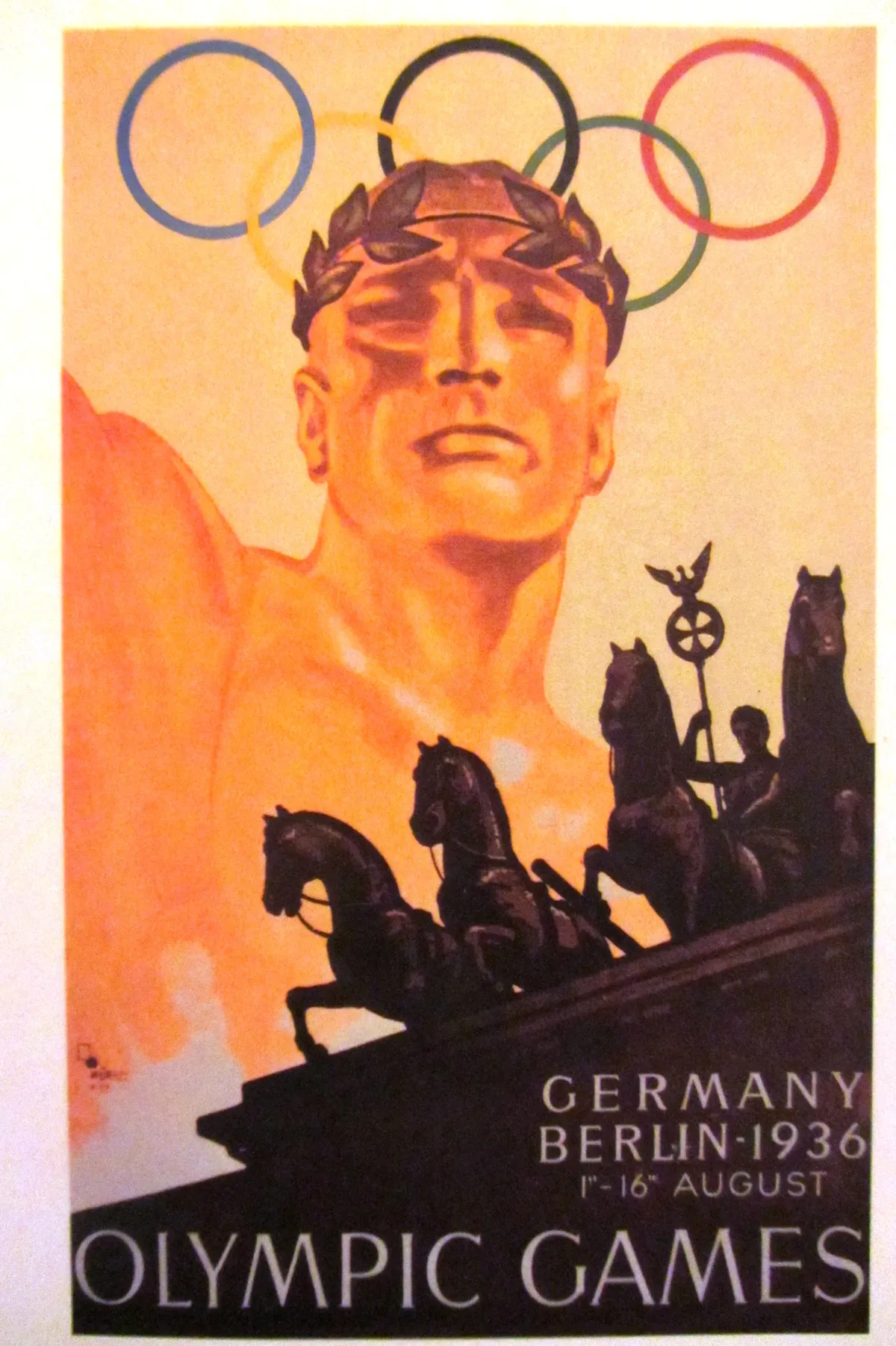 Photo: 1936 Olympics in Berlin, via www.lib.cam.ac.uk
When he died in 1939, Naismith was still working as a physical education instructor, earning modest wages while his invention generated millions for others. He never expressed regret about not commercializing basketball, viewing its widespread adoption as success enough.
The Desperate Solution That Built an Empire
James Naismith's story proves that some of history's most valuable innovations come from the most mundane problems. A schoolteacher facing an impossible deadline created America's most lucrative indoor sport.
His legacy reminds us that breakthrough moments often look like last-minute improvisation. When conventional solutions fail, sometimes the only choice is to nail a couple of peach baskets to a wall and see what happens.
Sometimes that's exactly what changes everything.