
When the Streets Were the Store
In the late 1800s and early 1900s, America's retail landscape looked nothing like the mall-dominated world we know today. The real action happened on street corners, in tenement neighborhoods, and wherever an immigrant with a cart full of goods could find customers willing to buy. These weren't just small-time operations – they were the training grounds for some of the most successful retail dynasties in American history.
What these street-smart entrepreneurs lacked in capital and connections, they made up for with an intimate understanding of what their customers actually wanted. They couldn't afford market research or focus groups. Instead, they learned by watching, listening, and adapting their inventory based on what sold and what didn't. This real-time education in consumer behavior would prove invaluable when they eventually moved indoors.
The Fabric Peddler Who Wove an Empire
Adam Gimbel arrived in America in 1835 with little more than the clothes on his back and a determination to make something of himself. Like thousands of other German Jewish immigrants, he started with a pack on his back, walking from farmhouse to farmhouse in rural Indiana, selling fabric, notions, and small household goods to families who rarely made it to town.
What set Gimbel apart wasn't just his work ethic – it was his revolutionary approach to customer service. At a time when haggling was standard and fixed prices were rare, Gimbel offered something radical: one price for everyone, clearly marked, with a money-back guarantee if customers weren't satisfied. Farmers' wives who had never seen such policies were skeptical at first, but word spread quickly about the honest peddler who stood behind his goods.
By 1842, Gimbel had saved enough to open a small store in Vincennes, Indiana. The same principles that worked on the road – fair pricing, quality merchandise, and treating every customer with respect regardless of their social status – transformed his shop into the most successful store in the region. When he moved to Philadelphia and then New York, those humble beginnings on dusty country roads had taught him everything he needed to know about retail. Gimbel Brothers became one of America's most prestigious department store chains.
The Fruit Cart That Grew Into a Fortune
Joseph Spiegel started even smaller than most. In 1865, he was selling furniture and household goods from a pushcart in Chicago, competing with dozens of other vendors for the attention of working-class customers who counted every penny. The difference was that Spiegel noticed something his competitors missed: his customers often wanted to buy items they couldn't afford to pay for all at once.
While other vendors demanded cash on the spot, Spiegel began offering payment plans. Buy a chair today, pay for it over six months. It was a risky strategy – how could he be sure customers would keep paying? – but Spiegel had learned to read people during his years on the street. He knew which customers would honor their commitments and which ones to avoid.
The installment plan idea was so successful that Spiegel eventually moved off the street and into mail-order retail, sending catalogs to customers across the Midwest who could buy everything from clothing to furniture on credit. The Spiegel catalog became a fixture in American homes for over a century, all because a pushcart vendor understood that sometimes the difference between making a sale and losing one was simply offering customers time to pay.
The Immigrant Who Understood American Dreams
Isidor Straus and his brother Nathan took a different path to retail success, but their story began in the same place: selling goods to customers who had limited options and even more limited money. After immigrating from Bavaria, the Straus family started with a small general store in rural Georgia, then moved to New York where they began as vendors selling crockery and glassware.
What the Straus brothers recognized was that America's growing middle class wanted more than just functional goods – they wanted items that made them feel successful and sophisticated. Instead of competing on price alone, they focused on quality and presentation. Their glassware wasn't just functional; it was beautiful. Their customer service wasn't just adequate; it was exceptional.
When they eventually bought into Macy's department store, they brought the same attention to detail and customer focus that had served them as small-time vendors. Under their leadership, Macy's became synonymous with quality and innovation, introducing concepts like the money-back guarantee and the one-price system that had proven successful in their smaller operations.
The Newsstand That Became a Media Empire
Marcus Loew started with perhaps the humblest retail operation of all: a newsstand on New York's Lower East Side. But Loew had an eye for entertainment and a nose for what working-class Americans wanted to do with their limited leisure time. When he noticed that his customers were increasingly interested in the new "moving pictures," he didn't just sell newspapers about the phenomenon – he got into the business himself.
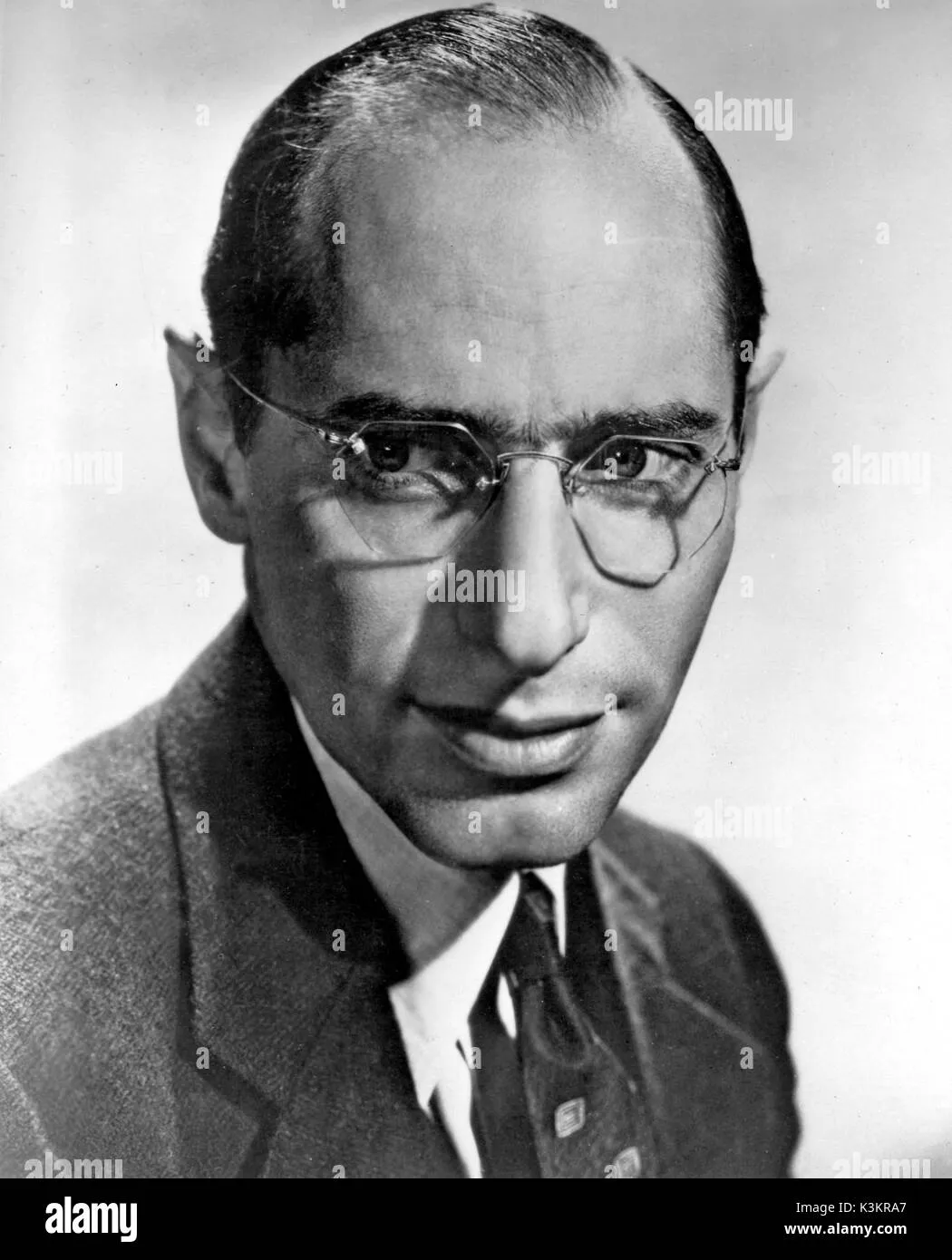 Photo: Marcus Loew, via c8.alamy.com
Loew's understanding of his customer base, developed through years of face-to-face interaction at his newsstand, proved invaluable when he began opening nickelodeons and eventually full-scale movie theaters. He knew exactly what kinds of entertainment would appeal to immigrant families and working-class audiences because he had been serving them for years. Loew's theater chain became one of the most successful in the country, eventually merging with Metro Pictures and Goldwyn Pictures to create Metro-Goldwyn-Mayer (MGM).
The Grocer Who Fed a Nation
Michael J. Cullen spent years working for other people's grocery chains before striking out on his own, but his real education came from watching customers shop and understanding what frustrated them about the traditional grocery experience. In 1930, at age 46, he opened the first King Kullen supermarket in Queens, New York.
Cullen's innovation wasn't just offering a wider selection of goods under one roof – it was understanding that customers would trade personal service for lower prices and greater convenience. His supermarket model, with its self-service approach and emphasis on volume purchasing power, revolutionized food retail across America. The principles he developed while working in smaller stores – understanding customer behavior, optimizing inventory turnover, and keeping overhead low – scaled up to create an entirely new way of selling groceries.
The Lessons of the Street
These retail pioneers succeeded not despite their humble beginnings, but because of them. Starting with pushcarts and street corners forced them to develop skills that their more privileged competitors never needed: the ability to read customers instantly, adapt quickly to changing demand, and operate profitably on razor-thin margins.
Their outsider status also freed them from conventional thinking about how retail "should" work. When you're trying to make a living from a cart on a street corner, you can't afford to follow rules that don't make sense. You innovate because you have to, not because you want to.
The next time you walk through a department store, shop at a supermarket, or buy something on an installment plan, remember that these conveniences we take for granted were invented by people who started with almost nothing except a willingness to serve customers better than anyone else was willing to do. Their unlikely legends remind us that some of America's greatest business innovations came not from boardrooms or business schools, but from the streets where commerce began.