
The Books That Couldn't Be Burned
In the winter of 1933, as Prohibition gasped its final breath, a lean man named Elias Thornton walked into the Harlan County courthouse carrying a leather satchel that would change everything. Inside weren't the usual deeds or contracts that crossed the county clerk's desk, but something far more extraordinary: thirteen years of meticulous financial records from one of Kentucky's most successful illegal operations.
 Photo: Harlan County, via i.ytimg.com
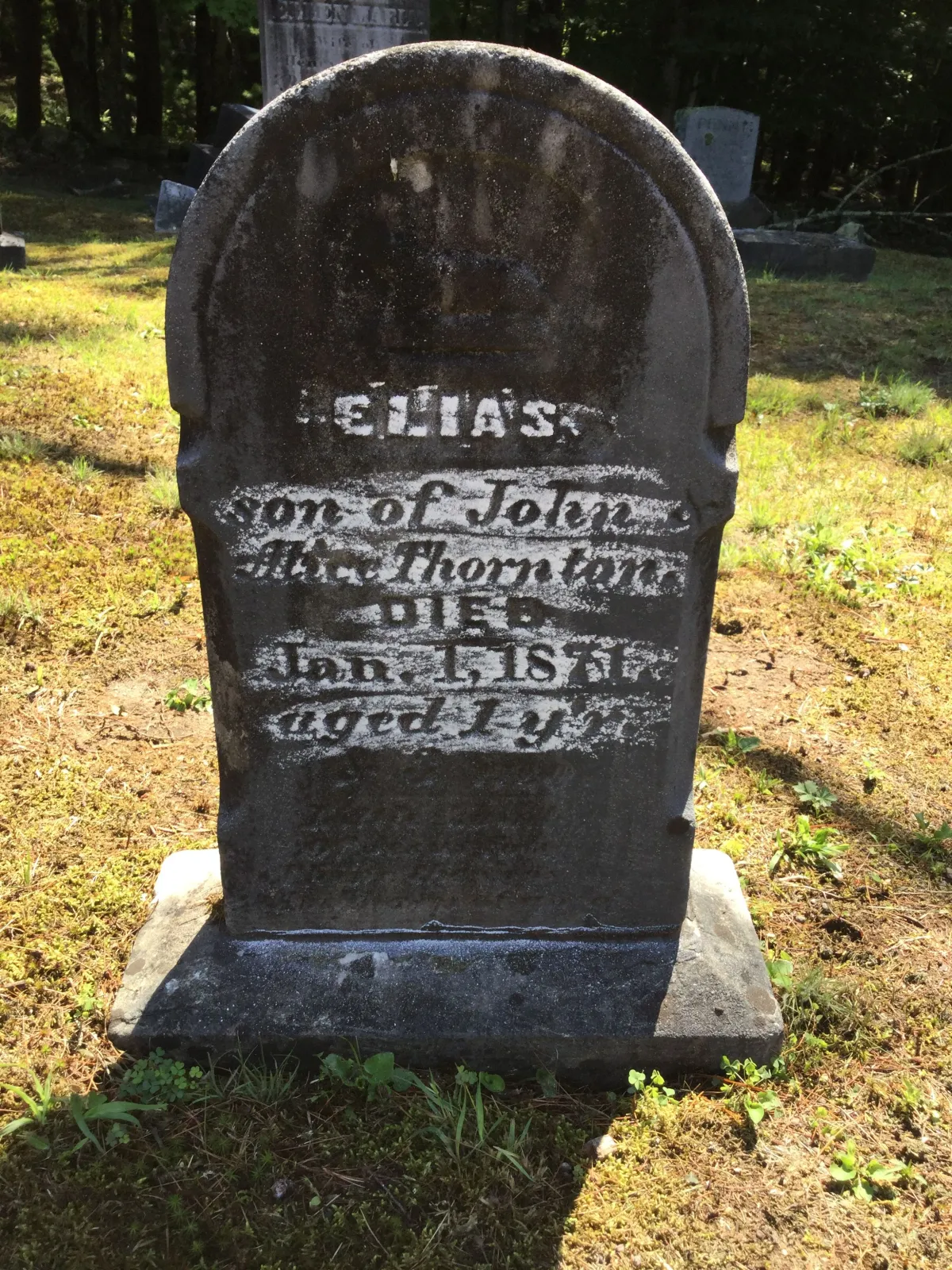 Photo: Elias Thornton, via images.findagrave.com
Thornton had run moonshine through the Cumberland Gap since 1920, but unlike the stereotypical mountain bootlegger of Hollywood imagination, he approached his business with the precision of a Wall Street accountant. Every mason jar sold, every debt extended, every barrel aged—all of it recorded in neat columns that would have impressed any bank examiner.
"Most folks think running shine was just about making good whiskey," Thornton would later tell a Louisville newspaper. "Truth is, the whiskey part was easy. It was the money part that separated the survivors from the ones who ended up shot or broke."
Survival Economics in the Hills
The eastern Kentucky mountains during Prohibition created a unique economic laboratory. With legitimate banks scarce and cash even scarcer, bootleggers like Thornton became the de facto financial infrastructure for entire communities. They extended credit, managed cash flow across seasonal agricultural cycles, and created complex networks of trust and accountability that spanned counties.
Thornton's operation wasn't just about distilling corn mash in hidden hollers. He ran what amounted to a shadow banking system, lending money to farmers for seed, advancing credit to store owners, and managing a web of IOUs that kept rural communities functioning when the formal economy had largely abandoned them.
His ledgers reveal a sophisticated understanding of risk management that would impress modern portfolio managers. He diversified his customer base across different towns and industries, adjusted credit terms based on seasonal income patterns, and maintained reserve ratios that kept his operation liquid even during federal crackdowns.
The Education of an Outlaw Banker
What transformed Thornton from moonshiner to banker wasn't formal training—he'd left school after eighth grade—but thirteen years of economic survival in an industry where poor financial management meant prison or death. Every transaction taught him something about human nature, market dynamics, or risk assessment.
He learned to read people's creditworthiness not from their collateral but from their reputation in tight-knit communities where everyone knew everyone's business. He discovered that extending credit during hard times created customer loyalty that lasted decades. Most importantly, he understood that trust was the only currency that mattered when you operated outside the law.
"Elias could tell you to the penny what every man in three counties was worth," recalled his nephew, James Thornton, who later worked at the bank. "He kept it all in his head and in those books. Bank examiners from Louisville would come through and shake their heads at how accurate everything was."
From Holler to Main Street
When the Twenty-first Amendment ended Prohibition in December 1933, Thornton faced the same dilemma as thousands of other bootleggers: what do you do when your illegal expertise suddenly has no outlet? Unlike most, he had an answer ready.
Within six months, he'd filed papers to establish the Cumberland Valley Bank, using his accumulated capital and, more importantly, his encyclopedic knowledge of local credit risks. The bank opened in a converted general store in downtown Harlan, with Thornton as president and his moonshine ledgers—carefully rewritten to obscure their origins—as the foundation of the loan department.
 Photo: Cumberland Valley Bank, via my.cvnb.com
The transition wasn't seamless. Federal bank examiners initially viewed Thornton with suspicion, unsure how a mountain man with no formal banking experience could demonstrate such sophisticated financial management. But his loan portfolio performance spoke louder than his pedigree. Default rates were remarkably low, and his customer base expanded rapidly as word spread about a banker who actually understood the local economy.
The Legacy of Outlaw Accounting
Cumberland Valley Bank grew steadily through the Depression, World War II, and the post-war boom. By the 1960s, it had branches throughout eastern Kentucky and had been acquired by a larger regional bank that kept the Cumberland Valley name in recognition of its local reputation.
Thornton's unconventional path to banking success reflected a broader American truth: sometimes the most valuable business education happens outside the classroom. His thirteen years managing an illegal operation taught him lessons about risk, trust, and community economics that no business school could provide.
The bank he founded operated for nearly ninety years before being absorbed into a national chain in 2019. In its final decades, few customers knew that their trusted community bank had been built on the foundation of Prohibition-era moonshine accounting.
The Numbers That Built Trust
What made Thornton's transition possible wasn't just his capital or his customer relationships, but his obsessive attention to detail. His moonshine ledgers, preserved in the bank's archives until the 1980s, revealed a level of financial sophistication that challenged assumptions about rural bootleggers.
He tracked seasonal demand patterns, managed inventory turnover rates, and calculated profit margins with precision that would impress modern CFOs. More importantly, he understood that in a business built on trust, accurate record-keeping wasn't just good practice—it was survival.
"People trusted Elias because his word was his bond," remembered longtime customer Martha Collins, who banked with Cumberland Valley for sixty years. "If he said you owed twelve dollars and thirty-seven cents, you owed exactly twelve dollars and thirty-seven cents. That kind of precision built confidence."
The moonshiner who became a banker proved that expertise can emerge from the most unlikely circumstances. Sometimes the best preparation for legitimate business comes from places where precision isn't just profitable—it's the difference between success and destruction.