When Silence Became Strategy
In 1963, Maria Santos stepped off a plane at Miami International Airport with $47 in her pocket and exactly three English words: "hello," "please," and "bathroom." Forty years later, her frozen food empire would be worth $300 million. Her story, along with four other remarkable immigrants, proves that sometimes the biggest barriers create the most innovative breakthroughs.
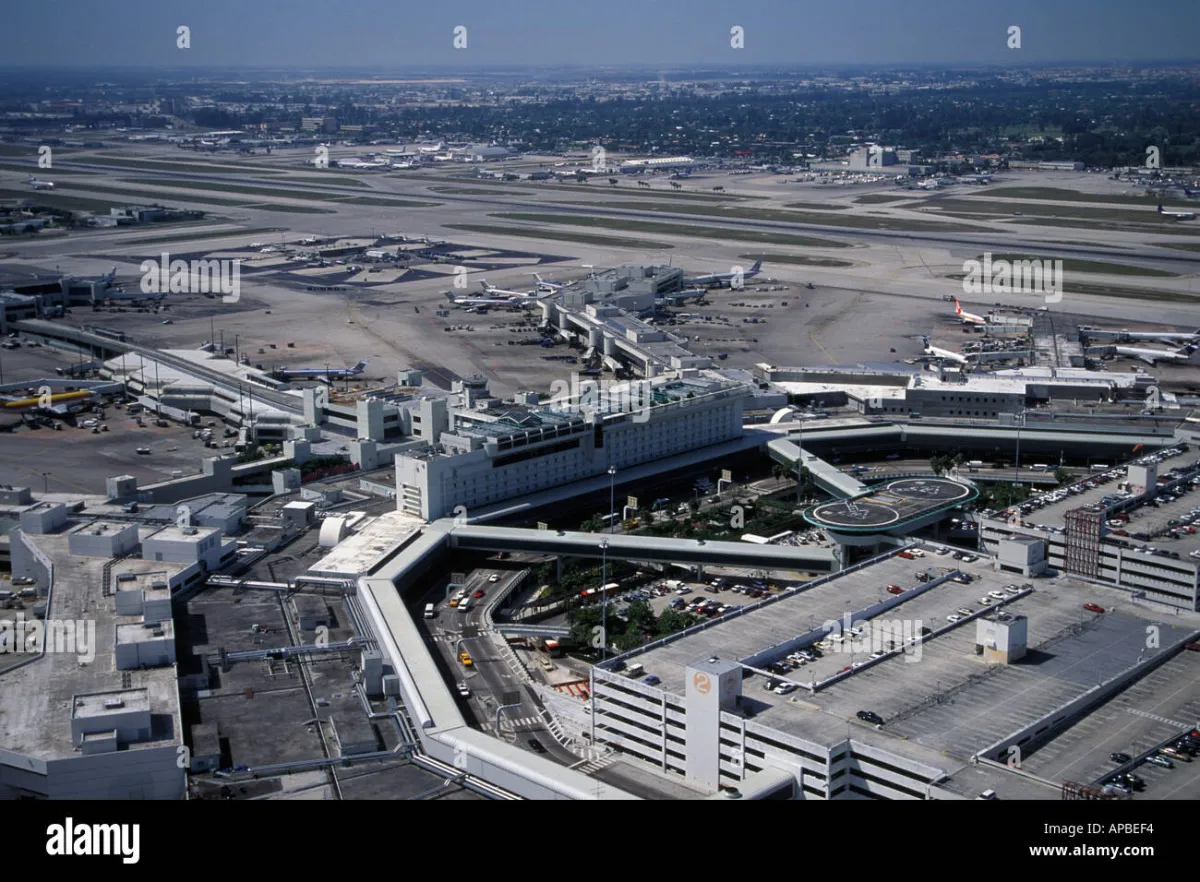 Photo: Miami International Airport, via c8.alamy.com
These entrepreneurs couldn't communicate in the traditional sense, so they had to find entirely new ways to connect with customers, understand markets, and build businesses. Their linguistic isolation forced creativity that native English speakers, comfortable with conventional approaches, never developed.
Maria Santos: The Food Translator
From Havana to Supermarket Aisles
Maria Santos fled Cuba during the revolution, leaving behind a comfortable middle-class life for complete uncertainty in Miami. Unable to explain her culinary background to potential employers, she took the only job she could find: cleaning office buildings at night.
During her lunch breaks, she would walk through American supermarkets, amazed by the abundance but frustrated by the complete absence of familiar flavors. The frozen food aisles contained nothing that reminded her of home—no plantains, no black beans, no proper sofrito.
The Universal Language of Taste
Without English to conduct market research or customer surveys, Maria relied on a different kind of data: watching people shop. She noticed Latino families wandering the frozen aisles with the same confused expression she wore. They were looking for convenient versions of their comfort foods, just as American families reached for frozen pizza and TV dinners.
Using her life savings of $2,000, Maria began making frozen versions of traditional Cuban dishes in her apartment kitchen. She couldn't write marketing copy or create advertising campaigns, so she did something simpler: she offered free samples outside grocery stores.
The response was immediate. Latino customers who had been subsisting on unfamiliar American frozen foods suddenly had access to authentic flavors that saved them hours of cooking time. Word spread through Miami's Cuban community faster than any advertising campaign could have achieved.
Building an Empire on Emotion
By 1970, Santos Foods had contracts with major supermarket chains across Florida. Maria had learned enough English to handle basic business conversations, but her competitive advantage remained rooted in her outsider perspective. She understood the emotional connection between food and memory in ways that established food companies, focused on efficiency and shelf life, had missed entirely.
Today, Santos Foods generates over $300 million annually and has expanded far beyond Cuban cuisine to include frozen versions of Mexican, Puerto Rican, and Central American dishes. Maria's inability to speak English forced her to communicate through taste—a much more powerful language for building customer loyalty.
Dimitri Volkov: The Visual Merchant
From Moscow to Manhattan
Dimitri Volkov arrived in New York in 1976 with an engineering degree that American employers couldn't verify and language skills that made job interviews impossible. After weeks of rejection, he found work in a small electronics repair shop in Brighton Beach, fixing radios and televisions for the neighborhood's growing Russian community.
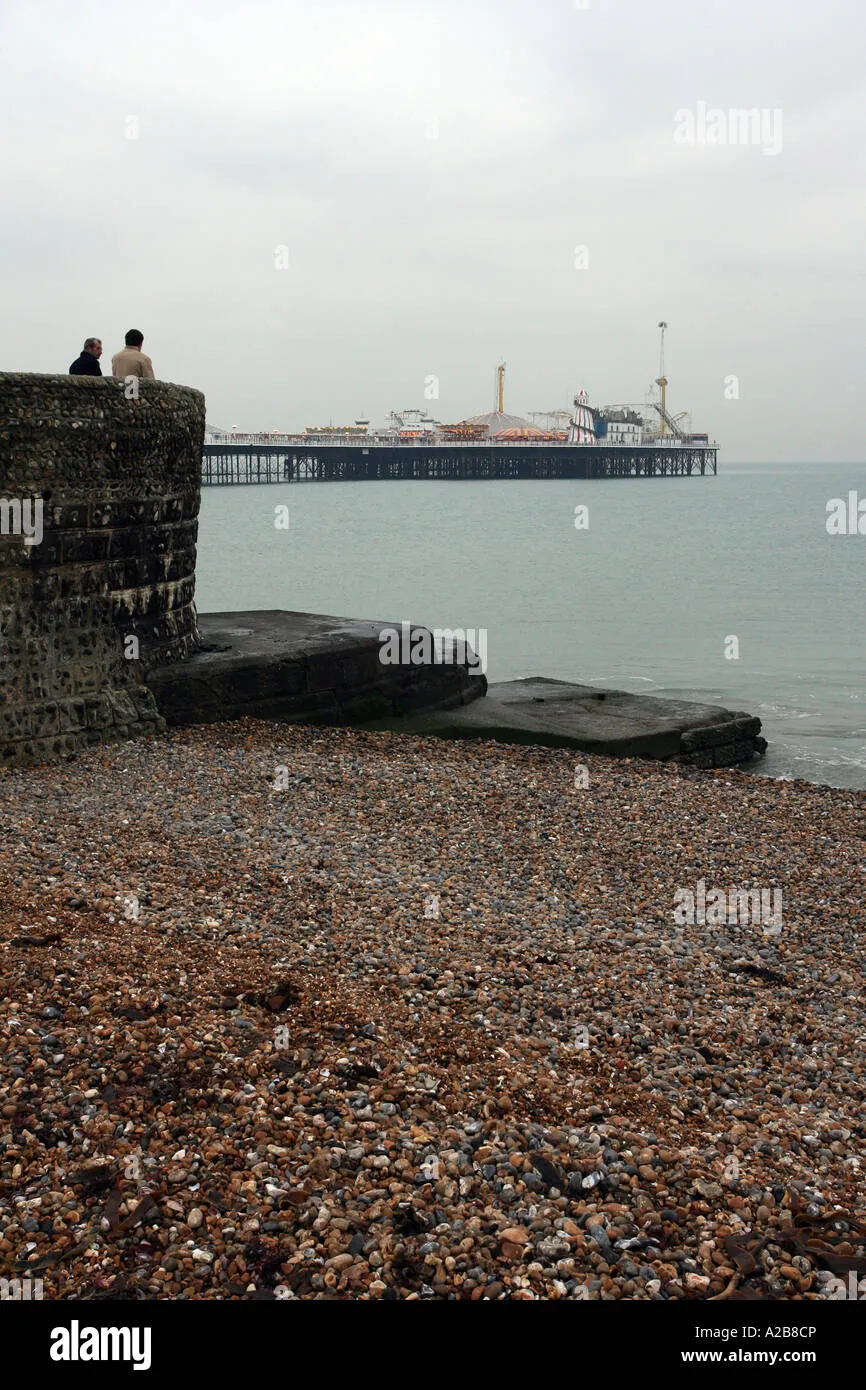 Photo: Brighton Beach, via c8.alamy.com
The shop owner, recognizing Dimitri's technical skills, allowed him to handle increasingly complex repairs. But Dimitri noticed something troubling: customers often seemed unsure about what services they were paying for, and the shop's pricing was inconsistent and confusing.
Innovation Through Necessity
Without the language skills to explain complex repair procedures, Dimitri developed a visual system. He created detailed diagrams showing exactly what was wrong with each device, what parts needed replacement, and how much each repair would cost. Customers could see their broken radio's internal components and understand exactly what they were paying to fix.
This transparency was revolutionary in an industry notorious for overcharging confused customers. Word spread quickly through immigrant communities across Brooklyn and Queens. Dimitri's shop became known as the most honest electronics repair service in the borough, despite the fact that he could barely communicate verbally with most of his customers.
The Chain Reaction
By 1982, Dimitri had opened three additional locations, each using his visual communication system. He hired other recent immigrants who spoke different languages but could all interpret his universal diagram system. A Vietnamese engineer could serve Spanish-speaking customers, and a Polish technician could help Russian families, all using Dimitri's visual language.
Volkov Electronics eventually expanded into retail sales, using the same transparent approach. Instead of relying on salespeople to explain product features, Dimitri created detailed comparison charts and visual guides that helped customers make informed decisions without high-pressure sales tactics.
The company went public in 1995 and was acquired by a major electronics retailer for $180 million three years later. Dimitri's inability to communicate in English had forced him to develop a customer service approach that was clearer and more trustworthy than anything his English-speaking competitors offered.
Chen Wei-Ming: The Numbers Whisperer
From Taiwan to Tax Season
Chen Wei-Ming arrived in Los Angeles in 1981 with an accounting degree and impeccable mathematical skills, but his limited English made it impossible to find work at American accounting firms. Desperate to support his family, he began offering tax preparation services to other Chinese immigrants, working from a card table in his apartment.
His first breakthrough came during tax season 1982, when he realized that many small business owners—regardless of their native language—were making the same mathematical errors on their returns. Language barriers had prevented them from understanding complex tax regulations, leading to overpayments that cost the community thousands of dollars annually.
Universal Mathematical Logic
Chen developed a system of standardized forms and checklists that relied primarily on numbers rather than written explanations. His tax preparation process used visual flowcharts and mathematical formulas that transcended language barriers. A Korean restaurant owner and a Mexican auto repair shop could both use the same system to organize their financial records.
This approach was not only more accessible—it was more accurate. By focusing on mathematical relationships rather than written descriptions, Chen eliminated the ambiguity that often led to filing errors. His clients consistently received larger refunds and faced fewer IRS audits than those using traditional tax preparation services.
Scaling the System
By 1990, Chen had trained dozens of tax preparers to use his mathematical approach. His firm, Pacific Tax Solutions, served over 3,000 clients annually across Los Angeles's diverse immigrant communities. The business model was so successful that he began licensing his system to tax preparation companies in other major cities.
Chen's mathematical communication system eventually evolved into sophisticated software that could handle complex business taxes for companies with multilingual workforces. When he sold the company in 2001, it was processing over 50,000 tax returns annually and had been acquired for $45 million by a national tax preparation chain.
Ling Zhou: The Gesture Entrepreneur
From Shanghai to Silicon Valley
Ling Zhou arrived in San Francisco in 1985 with a computer science background but struggled to find technical work due to language barriers. She eventually found employment as a cleaning woman at a software company, where she observed something that would change her life: programmers were constantly frustrated by computer interfaces that required extensive text input.
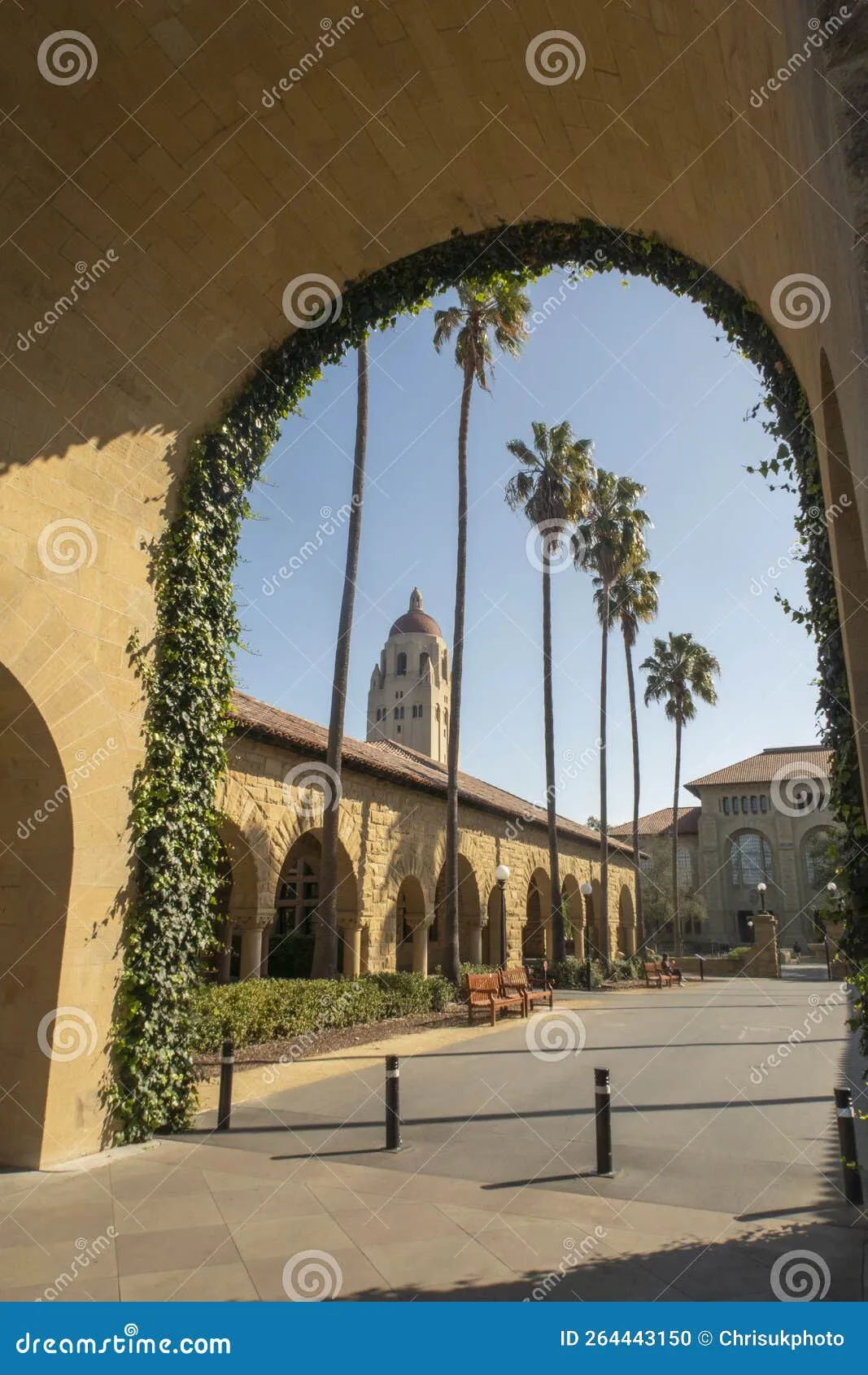 Photo: Silicon Valley, via thumbs.dreamstime.com
Working night shifts gave Ling access to the computers after hours. She began experimenting with ways to navigate software using visual symbols and mouse movements instead of typed commands. Her limited English had forced her to think about human-computer interaction in purely visual terms.
The Icon Revolution
Ling's breakthrough came when she developed a system of intuitive icons that could replace text-heavy menus in business software. Her designs were based on universal symbols and logical visual relationships rather than English words. A trash can meant delete, a folder meant storage, arrows indicated direction—concepts that transcended language barriers.
She convinced her supervisor to let her demonstrate the system to the development team. The programmers were amazed by how much faster they could navigate using Ling's visual interface. Tasks that required multiple menu selections could now be completed with simple icon clicks.
Building a Visual Empire
Ling founded Visual Systems Inc. in 1988, focusing on making software more accessible to non-English speakers and users with limited computer literacy. Her interface designs were licensed by major software companies looking to expand into international markets.
The company's breakthrough product was a visual email system that used symbols and pictures instead of text for basic functions. This made email accessible to millions of users who had been intimidated by traditional text-based systems.
When Ling sold Visual Systems in 1999, it held over 200 patents for intuitive interface design and generated $120 million in annual licensing revenue. Her inability to read English fluently had forced her to reimagine how humans interact with computers, creating solutions that benefited users worldwide.
Ahmad Hassan: The Trust Builder
From Damascus to Detroit
Ahmad Hassan fled Syria in 1987, settling in Detroit with his wife and young children. His engineering background was impressive, but language barriers and credential recognition issues made it impossible to find work in his field. After months of unsuccessful job searching, he borrowed $5,000 to buy a small convenience store in a struggling neighborhood.
The store was losing money, and Ahmad quickly understood why: customers didn't trust the previous owner, who had a reputation for selling expired products and shortchanging customers. The neighborhood needed reliable access to basic goods, but years of bad experiences had driven away business.
Actions Speak Louder Than Words
Unable to rebuild trust through verbal communication, Ahmad focused on actions. He implemented a rigorous quality control system, removing any questionable products immediately. He created clearly marked price tags and always provided exact change, even when it meant losing money on small transactions.
Most importantly, he began extending credit to neighborhood families struggling financially—keeping detailed records but never pressuring customers for immediate payment. His limited English actually worked in his favor; customers appreciated his straightforward approach and lack of sales pressure.
Community Investment
Within two years, Ahmad's store had become the neighborhood's unofficial community center. He had learned enough English to help customers with basic services like money orders and bill payments, but his reputation was built on reliability rather than conversation.
Seeing the community's need for financial services, Ahmad obtained licenses to offer check cashing, money transfers, and bill payment services. His store became a one-stop solution for families who had been underserved by traditional banks.
By 1995, Ahmad had opened twelve locations across Detroit, each following the same trust-based model. Hassan Financial Services eventually expanded into small business lending, helping other immigrant entrepreneurs start their own ventures. When he sold the company in 2005, it was valued at $35 million and served over 100,000 customers annually.
The Outsider's Edge
These five entrepreneurs succeeded not despite their language barriers, but because of them. Their inability to rely on conventional communication forced them to develop innovative approaches that native English speakers had never considered.
Maria Santos communicated through taste, creating emotional connections that transcended words. Dimitri Volkov used visual transparency to build trust in an industry plagued by confusion. Chen Wei-Ming developed mathematical systems that were more accurate than traditional approaches. Ling Zhou reimagined human-computer interaction through universal symbols. Ahmad Hassan built community trust through consistent actions rather than persuasive words.
Their stories remind us that perceived disadvantages often contain hidden advantages. Sometimes the most innovative solutions come from those forced to find alternative paths to success. In a nation built by immigrants, these entrepreneurs prove that the American dream doesn't require perfect English—it requires perfect determination to find new ways forward.