The Afternoon That Changed Everything
March 25, 1911, started like any other Saturday for Frances Perkins. The 31-year-old social worker was having tea with friends in Greenwich Village when someone noticed smoke rising from a building across Washington Square. They rushed to the windows and watched in horror as something unthinkable unfolded before their eyes.
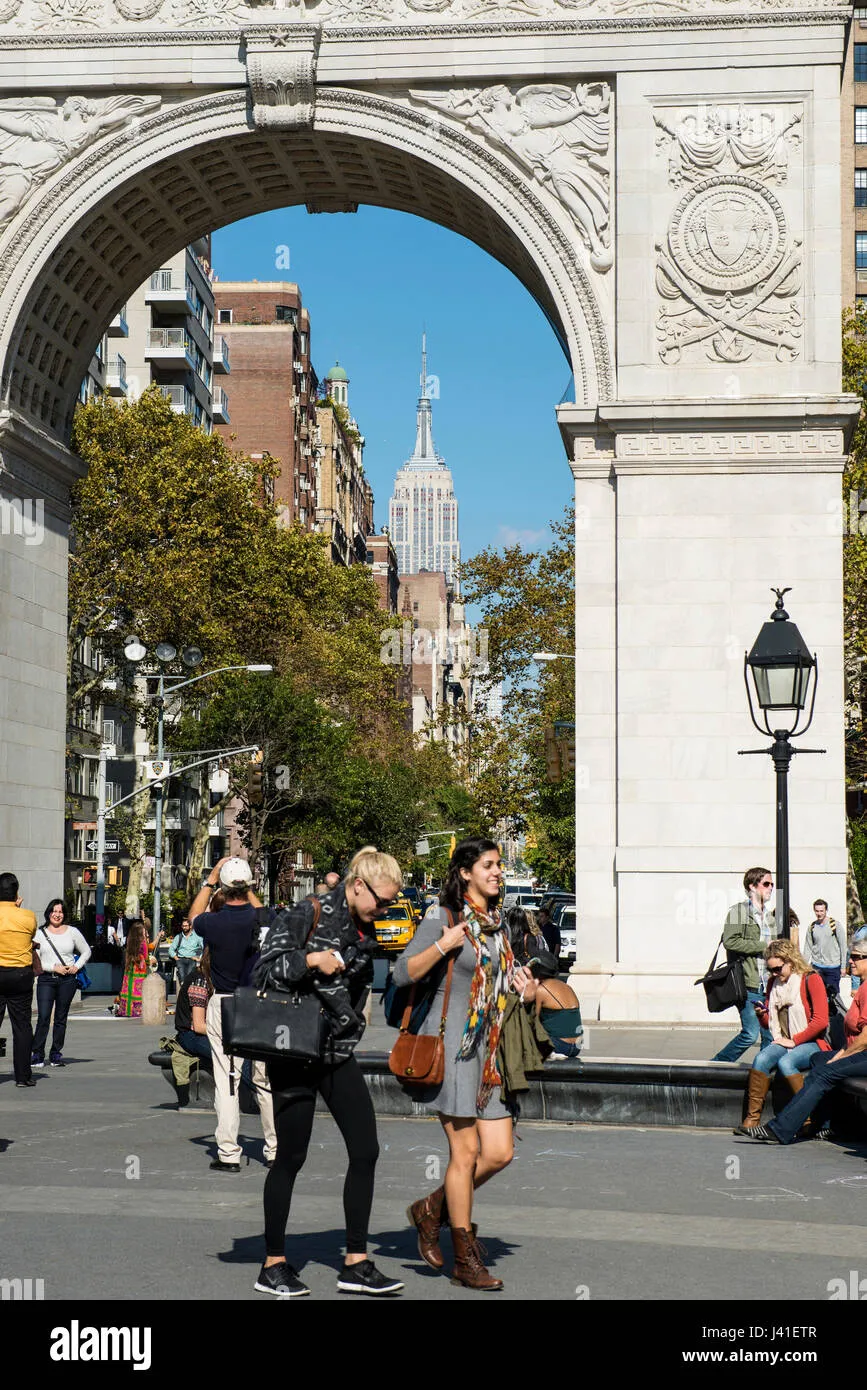 Photo: Washington Square, via c8.alamy.com
The Triangle Shirtwaist Factory, housed on the top three floors of the Asch Building, was burning. But this wasn't just any fire – it was a death trap. Workers, mostly young immigrant women, were trapped on the upper floors. Some jumped to their deaths rather than face the flames. Others were crushed trying to escape through exits that had been locked to prevent theft and unauthorized breaks.
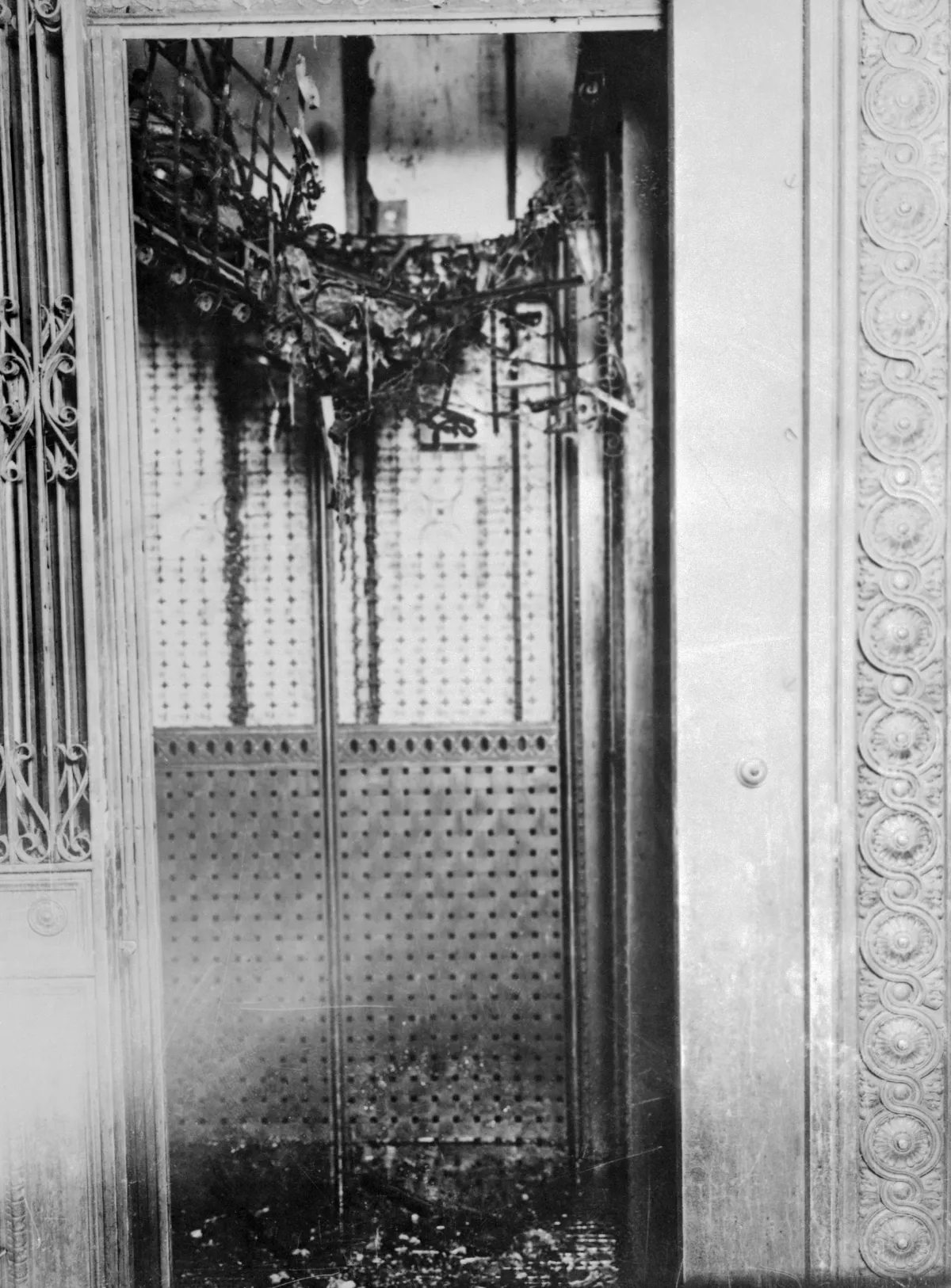 Photo: Triangle Shirtwaist Factory, via api.time.com
Perkins watched 146 people die that afternoon. She saw bodies falling from windows. She heard the screams. And in that moment of unspeakable tragedy, she made a decision that would define the rest of her life: this could never happen again.
The Unlikely Crusader
Frances Perkins was not supposed to become one of the most influential labor advocates in American history. Born to a middle-class family in Boston, she was expected to marry well, raise children, and live quietly within the boundaries society had drawn for women of her generation. Instead, she chose a path that would make her both powerful and largely invisible.
After graduating from Mount Holyoke College, Perkins had moved to New York to work with immigrant families and industrial workers. She had already seen the brutal conditions in factories and tenements, but the Triangle fire crystallized her understanding of how deadly the intersection of poverty, immigration, and industrial greed could be.
What made Perkins different from other reformers of her era wasn't just her passion – it was her strategic mind. She understood that emotional appeals and moral arguments, while important, weren't enough to change a system that profited from treating workers as disposable. She needed to learn how power actually worked, and then figure out how to use it.
Learning the Language of Power
In the weeks following the Triangle fire, Perkins threw herself into understanding every aspect of industrial safety and labor law. She studied factory conditions, interviewed survivors, and analyzed accident reports with the methodical precision of a detective. But she also did something equally important: she began cultivating relationships with politicians who could actually change the laws.
New York State had appointed a Factory Investigating Commission to study industrial conditions in the wake of the Triangle tragedy. Perkins made herself indispensable to that commission, becoming their chief investigator and the person who knew more about workplace hazards than anyone else in the state. She visited factories, documented violations, and built an encyclopedic knowledge of how industrial accidents happened and how they could be prevented.
While male reformers often got the public credit, Perkins was the one doing the detailed work of crafting legislation that could actually pass. She learned to write laws that were specific enough to be enforceable but flexible enough to adapt to different industries. She figured out how to build coalitions that included both workers and business owners who understood that safety improvements were good for everyone.
The Quiet Revolution
Over the next two decades, Perkins methodically built the foundation of modern workplace safety law. Working first in New York State and later as Franklin D. Roosevelt's Secretary of Labor – the first woman to serve in a presidential cabinet – she engineered protections that saved millions of lives, often without getting credit for her work.
The 40-hour work week? Perkins helped design it. Overtime pay? Her fingerprints are on those regulations. Workers' compensation for on-the-job injuries? She was instrumental in creating those systems. Unemployment insurance? Social Security? Both programs bear the mark of her influence.
What made Perkins so effective was her understanding that lasting change required more than just passing laws – it required building institutions that could enforce those laws over time. She didn't just want to prevent another Triangle fire; she wanted to create a system that would identify and address workplace hazards before they became tragedies.
Fighting in the Shadows
Perkins' greatest strength as a reformer was also the reason history largely forgot her contributions: she was willing to work behind the scenes, letting others take credit as long as the work got done. In an era when women in public life faced constant scrutiny and criticism, Perkins learned to be strategically invisible.
She faced fierce opposition from business interests who saw her regulations as costly interference, and from labor leaders who sometimes resented taking direction from a woman who had never worked in a factory herself. Political opponents attacked her as a communist sympathizer and questioned her loyalty to America. Through it all, Perkins kept her focus on the work itself, building alliances wherever she could find them and compromising when necessary to make progress.
Her approach was methodical rather than dramatic. Instead of leading marches or giving fiery speeches, she preferred to work through committees, draft legislation, and build consensus among people who might disagree about everything else but could agree that workers deserved basic protections.
The Legacy Hidden in Plain Sight
When Frances Perkins died in 1965, most Americans had no idea how much their daily lives had been shaped by her work. The safety inspections that prevent workplace accidents, the insurance that protects families when breadwinners are injured or unemployed, the regulations that limit working hours and ensure overtime pay – all of these taken-for-granted protections trace back to the systems she helped create.
Perkins understood something that many reformers miss: the most successful changes are the ones that become so embedded in society that people forget they ever needed to be fought for. Every worker who goes home safely at the end of the day, every family that receives unemployment benefits during hard times, every person who retires with Social Security benefits is benefiting from work that Frances Perkins began on a horrific Saturday afternoon in 1911.
The Fire That Never Goes Out
The Triangle Shirtwaist Factory fire lasted less than 30 minutes, but its impact on Frances Perkins lasted 54 years – the rest of her working life. She never stopped seeing those falling bodies or hearing those screams, and she never stopped working to ensure that American workers would be protected from the kind of negligence and greed that made that tragedy possible.
Her story is a reminder that some of the most important work in American history has been done by people whose names were never in headlines, whose faces weren't on magazine covers, and whose contributions were deliberately kept out of sight. Perkins chose influence over fame, effectiveness over recognition, and lasting change over temporary glory.
The next time you see a workplace safety sign, receive a workers' compensation check, or benefit from any of the dozens of labor protections that most Americans take for granted, remember Frances Perkins. She may not be a household name, but her legacy is written into the fabric of American working life, protecting millions of people who will never know her name but owe her their safety, their security, and sometimes their lives.