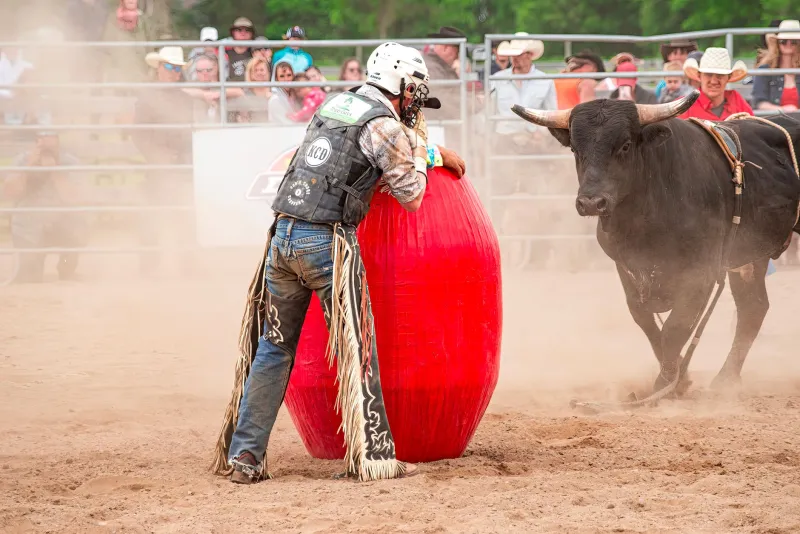
From Coop to Wall Street: The Poultry Farmer Who Cracked the Code on Modern Investing
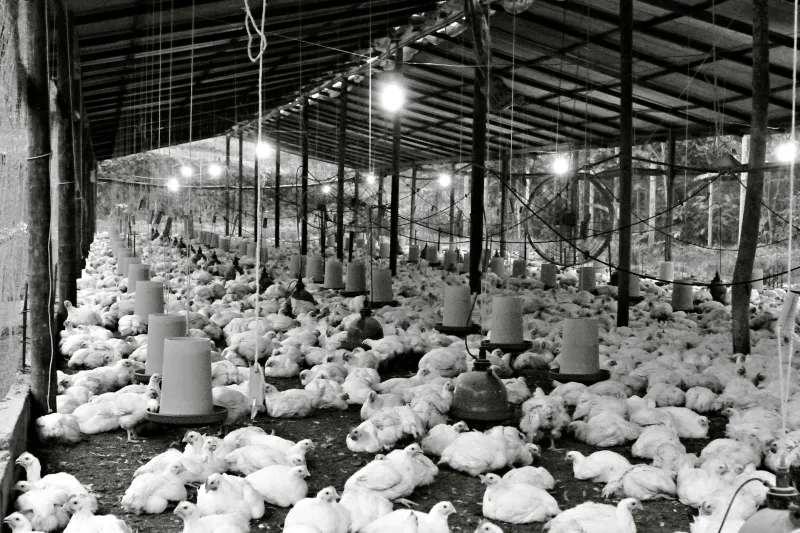
The Accidental Tourist
In 1967, Earl Thompson was knee-deep in chicken manure and bankruptcy papers when a wrong turn changed the course of modern finance. The 34-year-old Georgian had just lost his family's poultry operation to a devastating avian flu outbreak, and was driving to Atlanta to meet with creditors when he took an exit that would lead him, through a series of impossible coincidences, to the trading floors of Wall Street.
 Photo: Wall Street, via img.freepik.com
 Photo: Earl Thompson, via www.pototschnik.com
What started as a desperate attempt to salvage his ruined farming business would eventually revolutionize how the world's largest investment funds manage risk. But in that moment, Thompson was just a man in muddy boots who had never owned a suit, let alone understood what a hedge fund was.
When Ignorance Becomes Innovation
Thompson's journey to Wall Street reads like a fever dream of American possibility. After losing his farm, he took a job driving trucks between Georgia and New York, hauling produce to feed the city that would eventually make him wealthy. During a routine delivery to the Fulton Fish Market, he overheard traders discussing commodity futures—a conversation that sparked his curiosity about how prices moved.
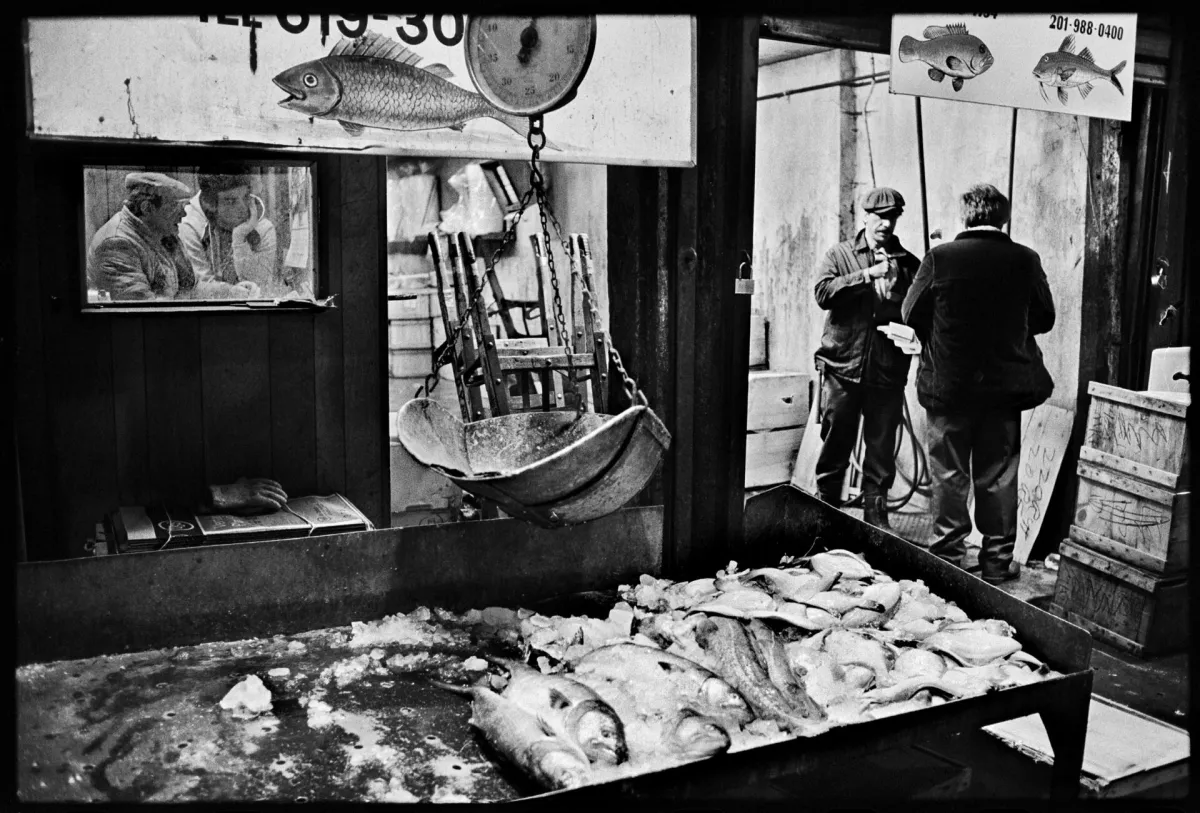 Photo: Fulton Fish Market, via www.gallerisoho.se
Unlike the MBA graduates flooding Wall Street in the late 1960s, Thompson approached market analysis like a farmer: he looked for patterns in cycles, watched for signs of scarcity and abundance, and trusted his instincts about timing. When established traders were using complex mathematical models, Thompson was applying the same intuition he'd used to predict when his chickens would lay the most eggs.
"I didn't know enough to know what was impossible," Thompson would later tell Forbes magazine. "I just saw numbers that reminded me of feed prices and weather patterns."
The Breakthrough Nobody Saw Coming
In 1972, Thompson convinced a small investment firm to let him manage a modest portfolio using strategies he'd developed while studying agricultural markets. His approach was radically simple: instead of trying to predict which individual stocks would rise or fall, he focused on protecting against catastrophic losses while maintaining exposure to potential gains.
This "defensive offense" strategy—which Thompson called "chicken insurance" before financial journalists gave it more sophisticated names—would become the foundation of modern hedge fund methodology. He was essentially creating insurance policies for investments, using derivatives and short positions to limit downside risk while preserving upside potential.
The results were extraordinary. During the brutal bear market of 1973-1974, when the S&P 500 lost nearly half its value, Thompson's fund gained 23%. When Black Monday struck in 1987, his strategies helped his clients avoid the worst of the carnage. By the time he retired in 1995, his techniques were being studied and replicated by funds managing hundreds of billions of dollars.
The Outsider's Edge
What made Thompson's success so remarkable wasn't just his returns—it was how he achieved them. While his competitors were hiring PhD economists and building sophisticated computer models, Thompson was drawing charts by hand and making decisions based on what he called "common-sense patterns."
His lack of formal financial education became his greatest asset. He wasn't constrained by conventional wisdom about how markets "should" behave. When textbooks said certain strategies were too risky, Thompson tested them anyway. When professors argued that perfect market efficiency made his approach theoretically impossible, he simply pointed to his track record.
"The problem with being taught how to think about markets," Thompson once explained, "is that you learn all the reasons why things can't work before you figure out that they actually do."
The Legacy in Numbers
Today, the strategies Thompson pioneered from his chicken farmer's perspective form the backbone of the global hedge fund industry. Portfolio insurance, risk parity, and alternative risk premia—all concepts that can trace their lineage back to a Georgia farmer who just wanted to protect his investments the same way he'd protected his livestock.
The irony isn't lost on Thompson, now 89 and living quietly in the same county where he once raised chickens. The man who accidentally invented modern hedge fund strategies never attended business school, never worked for a major investment bank, and still doesn't entirely understand why his simple approach to avoiding catastrophic losses was considered revolutionary.
The Wisdom of Unwisdom
Thompson's story reveals something profound about expertise and innovation: sometimes the most valuable perspective comes from someone who doesn't know what they're not supposed to do. His success wasn't despite his ignorance of financial theory—it was because of it.
In a world where investment firms hire only the most credentialed analysts, Thompson's legacy serves as a reminder that genuine innovation often comes from the margins, from people who approach old problems with fresh eyes and unorthodox solutions.
The chicken farmer who accidentally conquered Wall Street never set out to change how the world invests. He just wanted to avoid losing everything again. That simple, honest motivation—born from personal catastrophe and nurtured by common sense—ended up being worth billions.