Napkin Wisdom: How a Georgia Short-Order Cook's Scribbled Thoughts Became Required Reading at Harvard Business School

The Philosopher's Kitchen
In the summer of 1934, if you drove through the dusty crossroads town of Milledgeville, Georgia, you might have stopped at Pops' Place for a cup of coffee and a slice of pie. What you wouldn't have expected was a philosophy lesson from the man behind the grill.
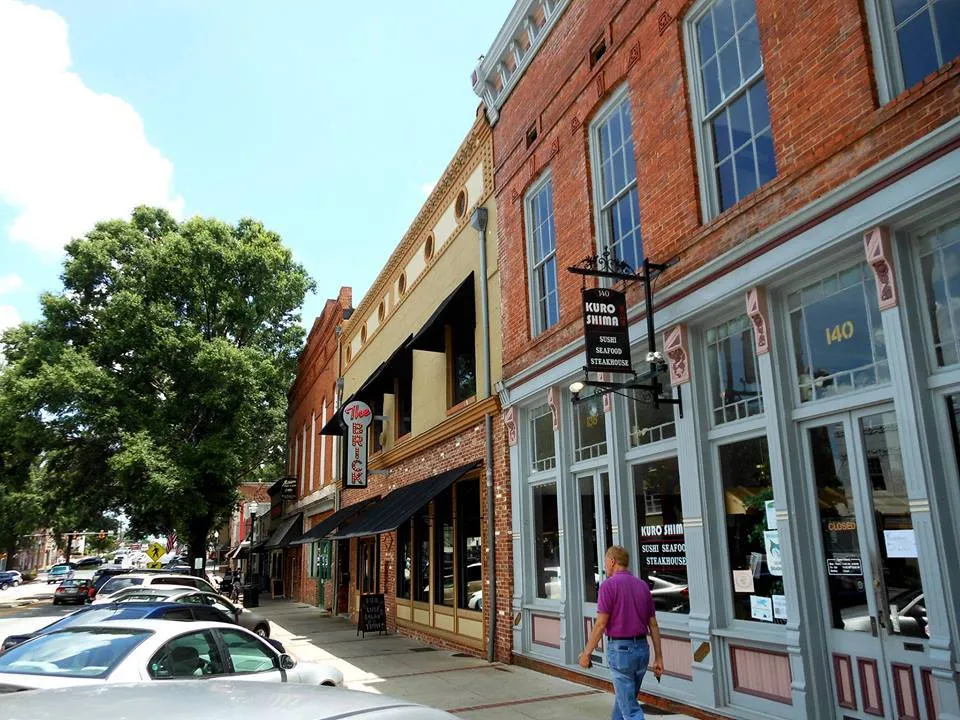 Photo: Milledgeville, Georgia, via www.milledgevillemainstreet.com
Clarence Williams—everyone called him Pops, even though he was only thirty-two—had a habit that puzzled his few regular customers. During the long stretches between orders, he'd pull out a stubby pencil and start writing on paper napkins, filling them with observations about the folks who passed through his door and the money troubles that seemed to follow them everywhere.
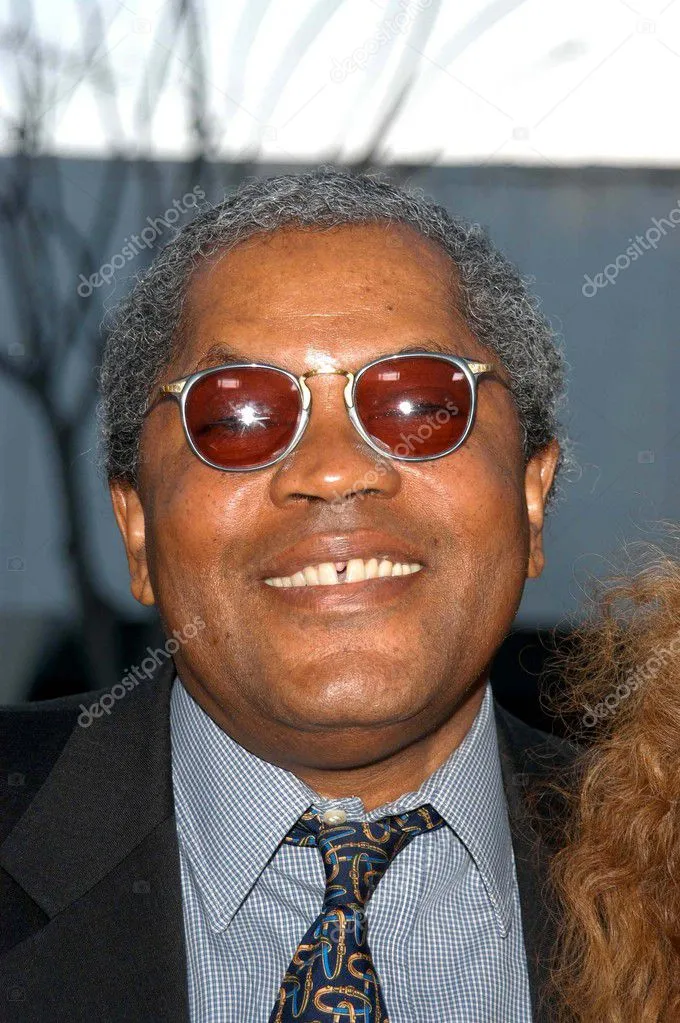 Photo: Clarence Williams, via st.depositphotos.com
"People think money's complicated," he'd tell anyone who'd listen, "but it ain't. People are complicated. Money just shows you who they already were."
Lessons From the Counter
Pops had dropped out of school in the sixth grade to help his family survive the economic collapse that hit rural Georgia like a sledgehammer. By the time he was twenty-five, he'd saved enough to buy a failing diner on Highway 441, the main route between Atlanta and Savannah.
The location put him in a unique position to observe human nature under financial stress. Traveling salesmen, migrant workers, families fleeing foreclosure—they all stopped at Pops' Place, and they all told their stories to the quiet man who listened while he cooked their eggs.
"Rich folks and poor folks got the same problems," he wrote on one napkin that would later become famous. "Rich folks just got more expensive ways to make the same mistakes."
The Napkin Chronicles
What started as idle scribbling evolved into something more systematic. Pops began categorizing his observations, developing theories about risk, reward, and human behavior that were born from watching real people make real decisions with real consequences.
His insights were surprisingly sophisticated for someone who'd never taken an economics class:
"The man who's afraid to lose a nickel will never make a dime."
"Luck is what happens when preparation meets opportunity, but most folks are too busy complaining about their luck to prepare for their opportunity."
"The difference between rich and poor ain't how much money you start with—it's how much you're willing to learn from the money you lose."
The Collector
For fifteen years, Pops filled napkins with his observations, stacking them in a shoebox behind the cash register. Regular customers knew about his habit, but most dismissed it as the harmless eccentricity of a small-town cook.
Then, in 1949, a traveling pharmaceutical salesman named Robert Hartwell stopped for breakfast and noticed Pops writing during a lull. Curious, he asked to read what the cook was working on.
Hartwell later described that moment as "stumbling across the Dead Sea Scrolls in a truck stop."
"This man had distilled twenty years of watching people handle money into pure wisdom," Hartwell recalled years later. "He was writing truths about finance and human nature that I'd never heard in any boardroom."
From Georgia to Wall Street
Hartwell began collecting Pops' napkin writings, visiting the diner whenever his route took him through Georgia. Over the next decade, he accumulated hundreds of Pops' observations, organizing them by theme and context.
In 1963, Hartwell finally convinced a small publisher to release a collection called "Napkin Wisdom: Financial Philosophy from America's Kitchen." The book sold modestly at first, finding its audience mainly among Hartwell's business contacts who were charmed by the folksy wisdom.
But word spread. By the early 1970s, "Napkin Wisdom" was being quoted in investment newsletters. By the 1980s, business school professors were assigning excerpts to their students. By the 1990s, Pops Williams had become one of the most quoted financial philosophers in America—and he was still flipping burgers in Milledgeville.
The Reluctant Guru
Fame sat uneasily on Pops' shoulders. When Harvard Business School invited him to give a guest lecture in 1987, he politely declined.
 Photo: Harvard Business School, via admitexpert.com
"I cook eggs and observe people," he told a persistent professor over the phone. "Y'all already know how to do both of those things. You just forgot to pay attention while you were doing them."
He never gave that lecture, but his words were read at the graduation ceremony anyway.
Wisdom in Plain Sight
Pops Williams died in 1998 at the age of ninety-six, still working behind the grill at his diner. He never became wealthy from his writings—the book rights had been sold for a modest flat fee—but he seemed genuinely puzzled by suggestions that he'd missed out on something.
"I got to spend seventy years watching people figure themselves out," he said in his last recorded interview. "That's richer than any royalty check."
Today, "Napkin Wisdom" remains in print, with new editions appearing regularly. Business schools from Stanford to Wharton include Pops' observations in their curriculum. Investment firms quote his aphorisms in client newsletters. His simple truths about money and human nature have outlasted countless academic theories and market trends.
The Enduring Truth
Perhaps Pops Williams' greatest insight was recognizing that financial wisdom doesn't require formal education—it requires careful observation of human nature under pressure. His napkin scribblings remind us that the most profound truths are often hiding in the most ordinary places, waiting for someone with the patience to notice them and the courage to write them down.
In a world obsessed with complex financial instruments and sophisticated market theories, the simple wisdom of a Georgia short-order cook continues to cut through the noise, offering clarity that no MBA program has managed to improve upon.
Sometimes the most valuable education happens not in lecture halls, but in diners where real people wrestle with real problems, observed by someone wise enough to see the patterns and humble enough to learn from them.