The Mountain Scholar: How a Coal Miner's Daughter Became the Secret Weapon of America's Elite Universities
The Library in the Holler
Dorothy Mae Henderson's education ended officially when she turned fourteen. The year was 1943, and her father needed help supporting their family in the coal hollows of eastern Kentucky. While other girls her age worried about algebra tests, Dorothy Mae worried about keeping food on the table and caring for her younger siblings.
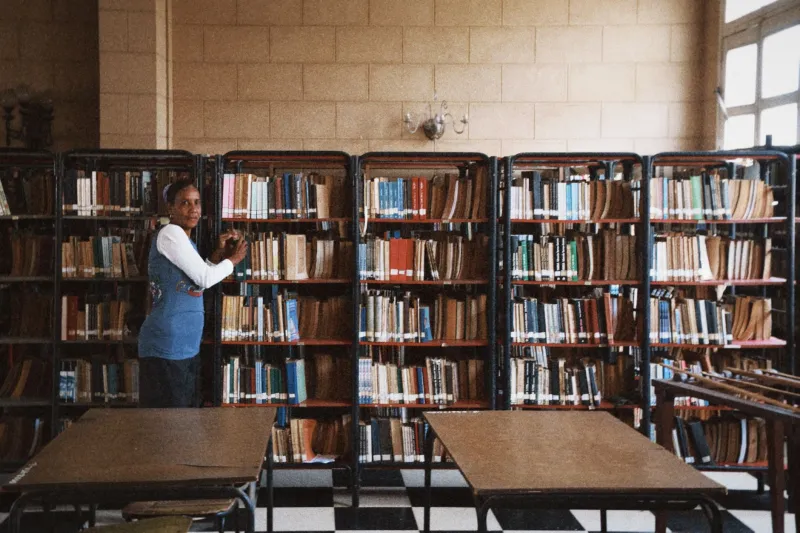
But Dorothy Mae had a secret weapon: an insatiable hunger for knowledge and access to the Harlan County bookmobile that visited their remote community twice monthly.
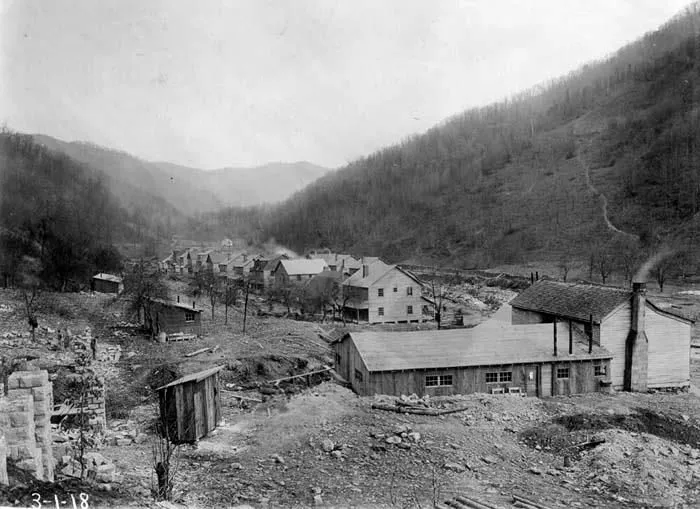 Photo: Harlan County, via i.pinimg.com
"That bookmobile was my Harvard," Dorothy Mae would later write. "Every two weeks, I'd check out the maximum—six books—and devour them before it came back around."
The bookmobile's economics section was limited, but Dorothy Mae read everything available: basic textbooks, government pamphlets, and academic journals that other readers ignored. She taught herself economic theory the same way she'd taught herself to read—through relentless curiosity and careful observation of the world around her.
Letters to the Ivory Tower
By 1955, Dorothy Mae had been reading economics for over a decade. She'd studied Adam Smith and John Maynard Keynes, but she'd also lived through the economic realities they theorized about. She understood poverty not as an academic concept, but as a daily negotiation with scarcity, opportunity, and human dignity.
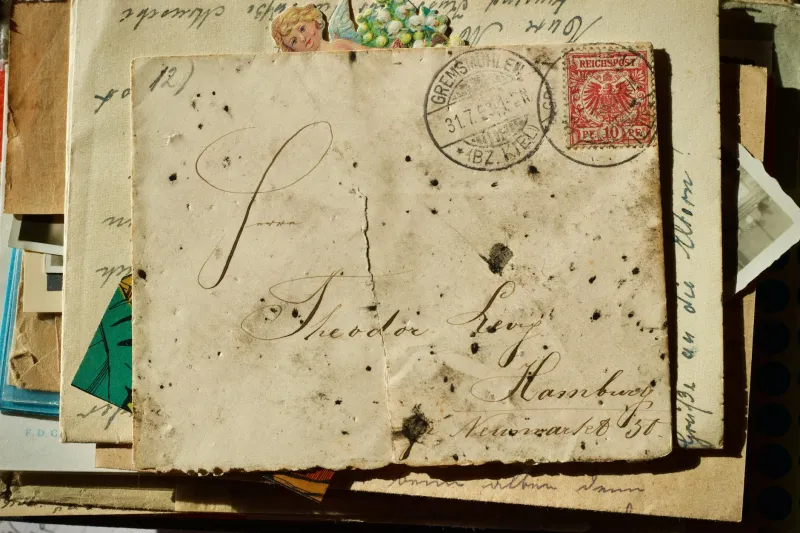
Frustrated by the gap between economic theory and lived experience, Dorothy Mae began writing letters to prominent economists whose work she'd read. Her correspondence was polite but pointed—challenging assumptions about rural economies, labor markets, and the behavior of people living in poverty.
Professor James Whitfield at Harvard received Dorothy Mae's first letter in 1956. Her critique of his recent paper on agricultural labor markets was so insightful that he assumed she was a graduate student at another university.
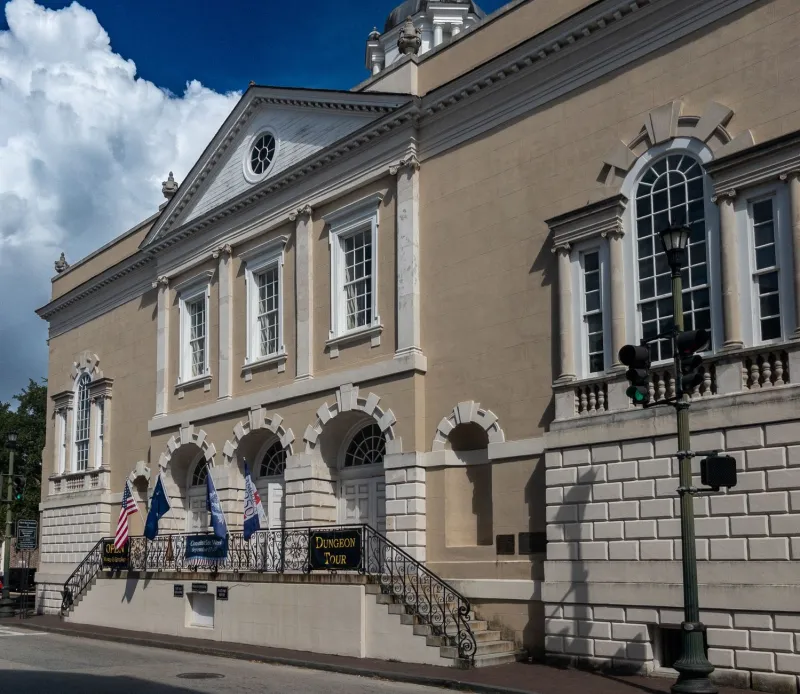
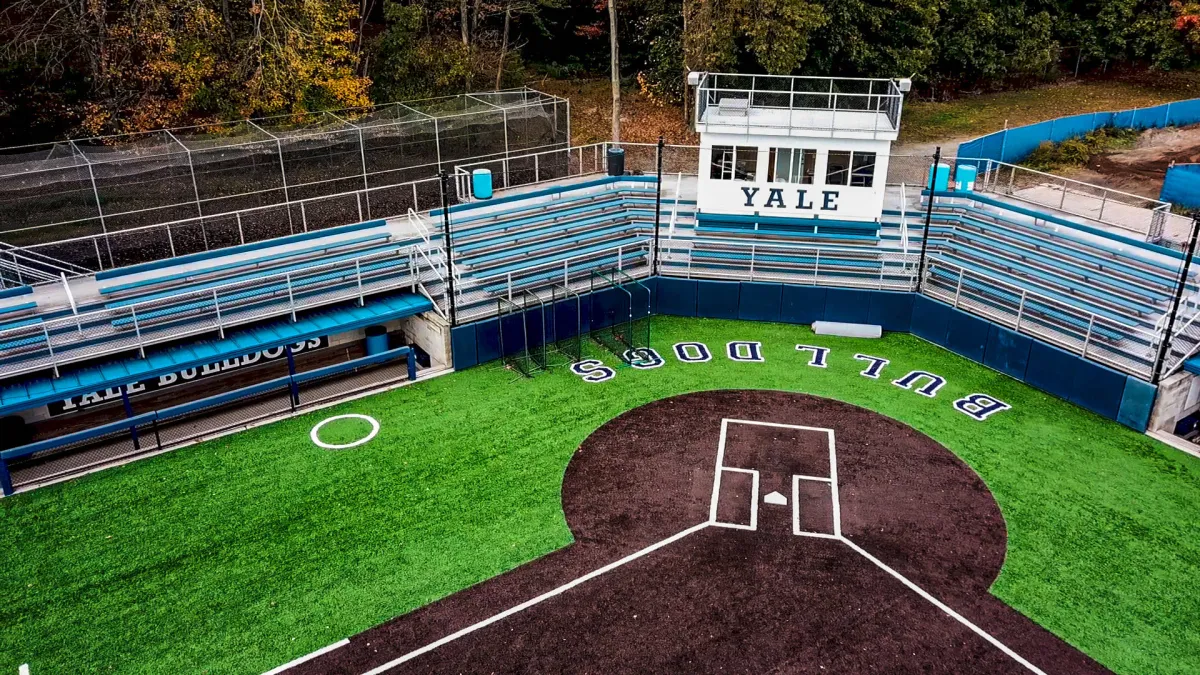 Photo: Yale University, via wallpapers.com
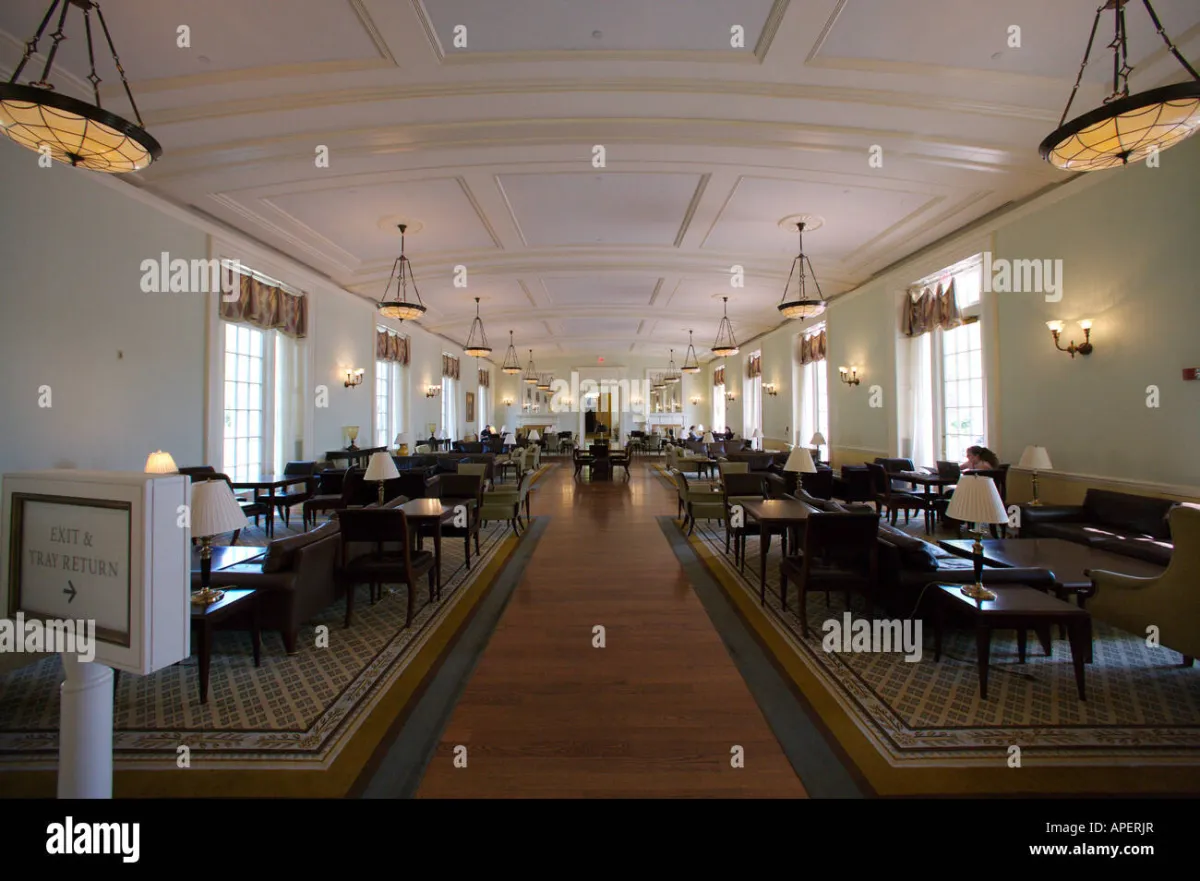 Photo: Harvard University, via c8.alamy.com
"Her understanding of microeconomic behavior was extraordinary," Whitfield recalled years later. "She could see patterns and connections that those of us in academia missed because we were too removed from the actual economic actors we studied."
Whitfield began corresponding regularly with Dorothy Mae, sharing draft papers and seeking her perspective on rural economic issues. He never mentioned her lack of formal education in their professional exchanges—he simply valued her insights too much to risk losing them.
The Invisible Advisor
Word of Dorothy Mae's analytical abilities spread quietly through academic networks. Professors at Yale, Princeton, and Columbia began reaching out for her perspective on everything from Appalachian development policy to national welfare reform.
Dorothy Mae's unique position—outside academia but deeply educated, impoverished but intellectually sophisticated—gave her insights that credentialed economists couldn't access. She understood both the theoretical frameworks and the human realities they attempted to describe.
Professor Elizabeth Morrison at Yale credited Dorothy Mae's input on her groundbreaking 1965 study of rural poverty. "Dorothy Mae could predict how policy changes would affect real families because she lived among those families," Morrison explained. "Her theoretical understanding was matched by practical wisdom that none of us possessed."
By the late 1960s, Dorothy Mae was regularly consulting for faculty at multiple Ivy League institutions. Her insights influenced papers, policy recommendations, and academic careers—though her contributions rarely received public acknowledgment.
Recognition Without Credentials
In 1971, Professor Whitfield invited Dorothy Mae to present at Harvard's annual economics symposium. The invitation was unprecedented—a high school dropout addressing the nation's most prestigious economics department.
Dorothy Mae's presentation on "Informal Economic Networks in Rural Communities" challenged fundamental assumptions about how poor communities organize economic activity. She demonstrated how traditional economic models failed to account for the complex web of mutual aid, bartering, and resource sharing that allowed isolated communities to survive.
"She showed us that we'd been studying economics with half our tools missing," remembers symposium attendee Dr. Robert Chen. "Dorothy Mae understood economic behavior that didn't show up in our data because it existed outside formal markets."
The presentation led to consulting opportunities with government agencies and think tanks. Dorothy Mae's expertise was finally being recognized publicly, though her lack of credentials remained a source of institutional discomfort.
Teaching the Teachers
Throughout the 1970s and 1980s, Dorothy Mae served as an informal advisor to three generations of Ivy League economists. Young professors would seek her guidance on research projects, policy analysis, and understanding economic behavior in marginalized communities.
Her influence extended far beyond individual consultations. Dorothy Mae's insights shaped academic understanding of rural economics, poverty dynamics, and the limitations of traditional economic modeling. Her work influenced policy recommendations that affected millions of Americans.
Professor Sarah Williams, who consulted Dorothy Mae while developing her influential 1982 study of welfare reform, explains her impact: "Dorothy Mae taught us that economic theory without lived experience is just academic exercise. She showed us how to make our work relevant to the people it was supposed to help."
The Legacy of Informal Expertise
Dorothy Mae Henderson died in 1994, having never received the academic recognition her contributions deserved. No university offered her an honorary degree. No professional organization acknowledged her influence. But her ideas lived on in the work of dozens of economists who had learned from her unconventional wisdom.
Her story reveals the artificial barriers that separate formal education from genuine expertise. Dorothy Mae's lack of credentials never diminished her intellectual contributions—it only limited institutional acknowledgment of her brilliance.
Breaking Down the Walls
Today, Dorothy Mae's correspondence fills boxes in university archives—thousands of letters that document a remarkable intellectual relationship between Appalachian autodidact and Ivy League academia. Her insights influenced economic policy, shaped academic careers, and challenged assumptions about who gets to participate in scholarly discourse.
Her legacy reminds us that brilliance emerges from unexpected places and that the most important insights often come from those closest to the problems we're trying to solve. Dorothy Mae Henderson proved that expertise belongs to those who earn it through dedication and insight, not those who inherit it through privilege and credentials.
Sometimes the best teachers are those the system never formally taught—and sometimes the most valuable education happens far from any classroom.