Scraps to Stardom: Five Food Empires Born in America's Most Unlikely Kitchens
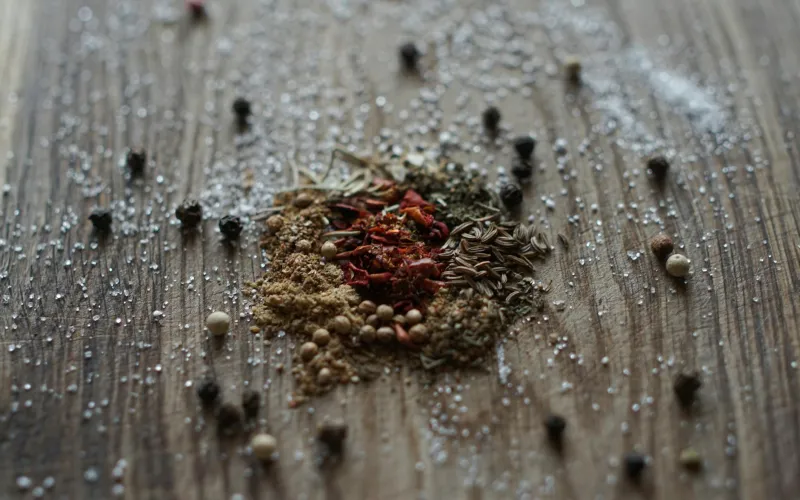
The Swamp Spice King
Paul Prudhomme's Hunting Camp Education
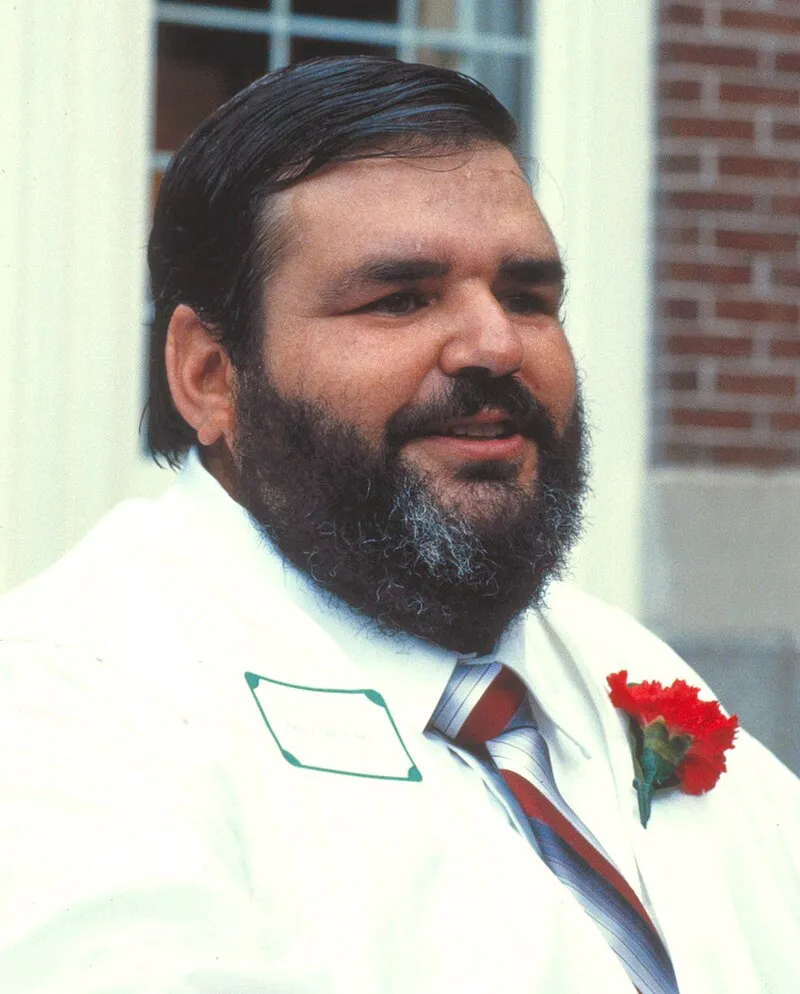 Photo of Paul Prudhomme, via Wikidata/Wikimedia Commons
Long before his name graced spice bottles in every American grocery store, Paul Prudhomme was a skinny kid in rural Louisiana learning flavor from necessity, not choice. His family of thirteen couldn't afford to waste any part of the animals his father trapped in the Atchafalaya Basin.
 Photo: Atchafalaya Basin, via alchetron.com
While other kids played after school, Paul stood over a wood fire, watching his grandmother transform what others would throw away—rabbit kidneys, turtle hearts, alligator tail—into meals that made the whole family fight for seconds. She never measured anything, just tasted and adjusted, teaching Paul that great cooking was about understanding ingredients, not following rules.
The breakthrough came during a particularly lean winter when the family ran out of store-bought salt. Paul's grandmother showed him how to make seasoning from wild herbs, dried pepper pods, and salt scraped from cypress trees. That improvised blend became the foundation for what would eventually become Chef Paul Prudhomme's Magic Seasoning Blends—a company that now generates over $50 million annually.
"We weren't poor," Prudhomme later said. "We were rich in flavors that rich people couldn't buy."
The Cellblock Cheesemaker
Ig Vella's Prison Kitchen Revolution
Ignazio Vella arrived at San Quentin State Prison in 1943, convicted of bootlegging during the final days of Prohibition. He expected to serve his time quietly, but the prison kitchen had other plans.
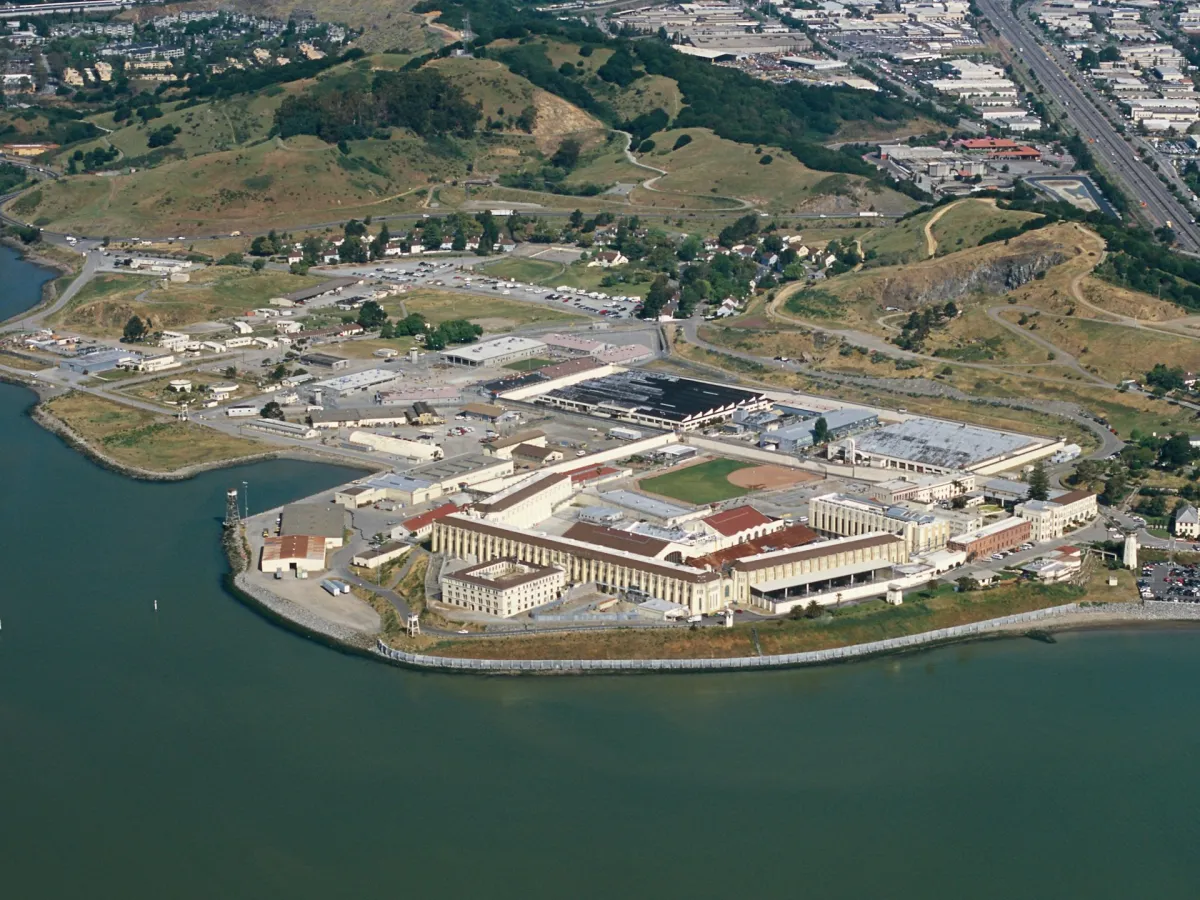 Photo: San Quentin State Prison, via images7.alphacoders.com
Assigned to dairy duty, Vella discovered that the prison was throwing away hundreds of gallons of sour milk each week. Having grown up on a Sicilian farm where nothing edible was ever wasted, he was horrified. He convinced the kitchen supervisor to let him experiment with the discarded milk, using techniques his grandfather had taught him for making cheese from goat's milk.
Using contraband salt smuggled from the dining hall and cultures he cultivated from bread mold, Vella began producing cheese in his cell. Word spread among inmates and guards alike—this wasn't just edible cheese, it was exceptional cheese.
When Vella was released in 1945, he used his savings to buy a small dairy in Sonoma County. The techniques he'd perfected in his prison cell became the foundation for Vella Cheese Company, which now produces some of California's most prized artisanal cheeses.
"Prison taught me that the best cheese comes from making do with what you have," Vella once told a food magazine. "Fancy equipment just gets in the way of understanding your ingredients."
The Oil Drum Hot Sauce Pioneer
Edmund McIlhenny's Backyard Laboratory
After the Civil War destroyed his Louisiana sugar plantation, Edmund McIlhenny found himself with worthless land, no money, and a family to feed. But he also had something else: a handful of tabasco pepper seeds given to him by a traveling soldier.
With no proper equipment, McIlhenny planted the peppers in his ruined fields and began experimenting with hot sauce in a rusty oil drum behind his house. He mixed the peppers with salt from a nearby mine and white wine vinegar he made from wild grapes growing on his property.
Neighbors initially mocked his "pepper water," but McIlhenny kept refining his recipe, aging different batches in discarded whiskey barrels he found scattered around the plantation. After three years of experimentation, he produced a sauce that local fishermen began requesting by name.
McIlhenny bottled his sauce in discarded cologne bottles, sealed them with green wax, and sold them for $1 each—a fortune in 1868. That backyard experiment became Tabasco sauce, now sold in over 195 countries and generating hundreds of millions in annual revenue.
The Midnight Pie Genius
Marie Callender's Diner Discoveries
Marie Callender never intended to become a food mogul. In 1948, she was a single mother working the night shift at a Long Beach diner, trying to support her five children on $30 a week.
The diner's day-shift baker was notoriously unreliable, often leaving the restaurant without fresh pies for the evening crowd. Rather than disappoint customers, Callender began staying after her shift to bake pies using whatever ingredients she could find—day-old fruit, leftover cream, and pastry made from scratch because the diner couldn't afford pre-made crusts.
Customers began requesting "Marie's pies" specifically, driving from neighboring towns just to taste her apple crumb and chocolate cream creations. The diner's owner noticed the pattern and offered Callender a partnership: she would handle all dessert production in exchange for a percentage of pie sales.
Within five years, pie sales were generating more revenue than the diner's regular menu. Callender bought out her partner and focused exclusively on pies, eventually building Marie Callender's into a restaurant chain with over 70 locations across the western United States.
"I never went to cooking school," Callender said in a 1985 interview. "I just knew that if you put love into food, people can taste it."
The Scrap Metal Spice Merchant
Arden McCormick's Junkyard Inspiration
Arden McCormick spent his days in a Chicago scrapyard, sorting metal and machinery for recycling. But his evenings belonged to his real passion: cooking elaborate meals for his family using spices he'd collected during his Army service in North Africa and Southeast Asia.
The breakthrough came when McCormick realized he could use the same organizational principles that made his scrapyard profitable to create spice blends. Just as he sorted metal by type and quality, he began categorizing spices by flavor profiles and regional origins.
Using equipment from his scrapyard—cleaned and repurposed metal drums for mixing, old scales for measuring, and salvaged glass jars for storage—McCormick began producing custom spice blends for his neighbors. Word spread through Chicago's ethnic communities, and soon McCormick was selling hundreds of pounds of spices each month.
He quit the scrapyard in 1963 and founded McCormick & Company (no relation to the existing spice company), which became one of the largest specialty spice distributors in the Midwest before being acquired by a major food conglomerate in the 1990s.
The Common Thread
Each of these food pioneers discovered something that culinary schools rarely teach: great food comes from understanding ingredients and techniques, not from having perfect equipment or ideal conditions. They succeeded because they learned to work with what they had, not what they wished they had.
Their stories remind us that innovation often emerges from constraint, and that America's greatest food traditions were built not in fancy test kitchens, but in the most humble and unexpected places where necessity forced creativity to flourish.