The Bus Station Nobody Wanted — And the Blind Veteran Who Turned It Into a Legend
The Worst Spot in the Building
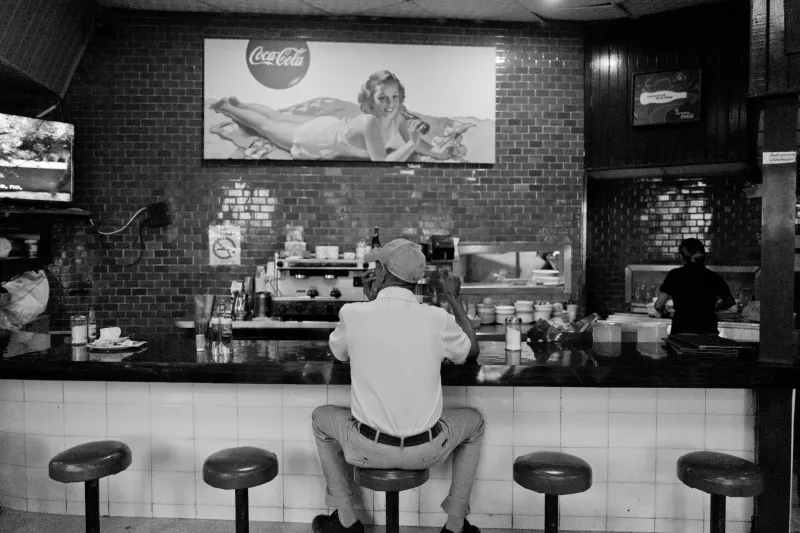
The lease sat unclaimed for months. A narrow lunch counter tucked inside a mid-century Southern bus station, sandwiched between a cigarette machine and the men's restroom. The ventilation was poor. The foot traffic was unpredictable. Two previous operators had walked away without turning a profit. By the early 1950s, the station manager had stopped actively advertising the space. It was, by every conventional measure, a terrible place to open a restaurant.
That's exactly why Harold Eustace Webb could afford it.
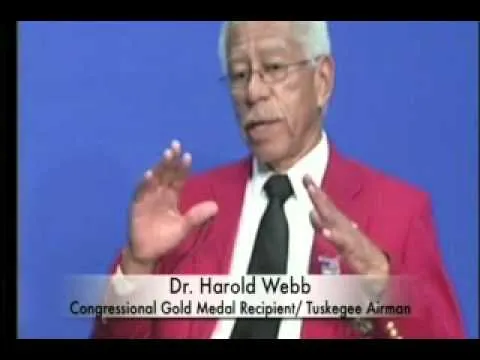 Photo: Harold Eustace Webb, via i.ytimg.com
Webb had come home from the Pacific in 1945 with shrapnel damage that had stolen his vision entirely. He was twenty-six years old, newly blind, and trying to figure out what a life looked like from the inside of permanent darkness. He enrolled in a federal vocational rehabilitation program — one of thousands of veterans doing the same — and emerged with a modest government-backed loan, some basic training in small business management, and a determination that people around him quietly mistook for stubbornness.
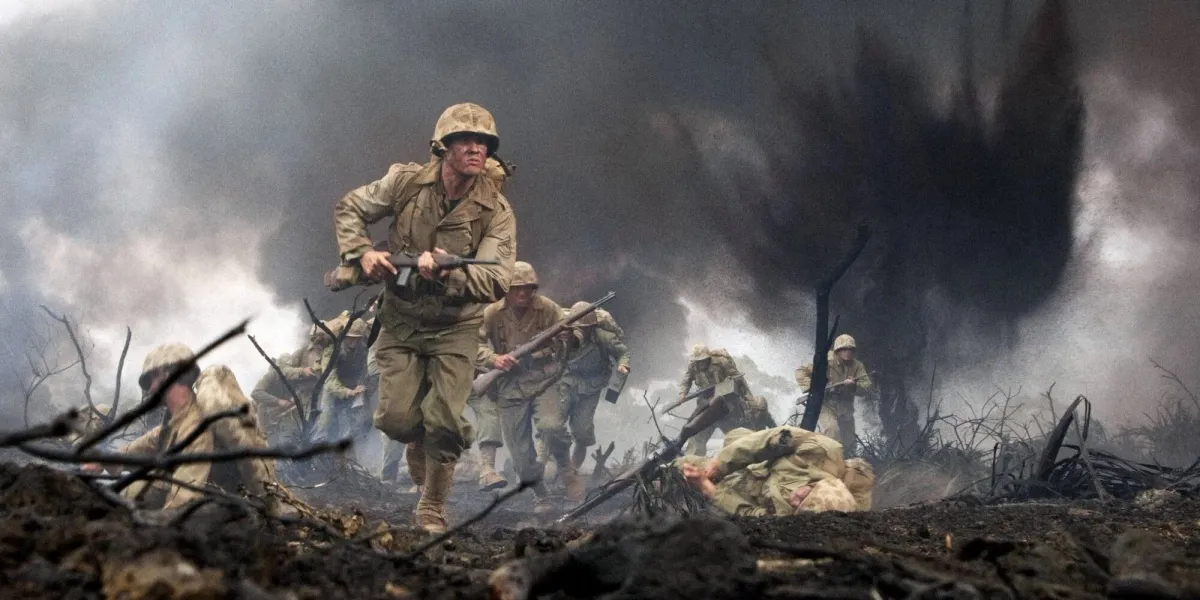 Photo: the Pacific, via static1.srcdn.com
The bus station counter cost him almost nothing to lease. He used the loan to buy a commercial sandwich press, a coffee urn, and enough stock to open on a Tuesday morning in the spring of 1952.
The Memory That Ran the Business
Here's the thing about Harold Webb that his competitors — first the diners down the block, later the early fast-food chains that crept into the region — never understood: he remembered everything.
Not in a vague, pleasant way. In an almost architectural way. Webb could recall a customer's usual order after a single visit. He remembered how a man took his coffee after hearing it once. He remembered the name of a truck driver's wife, mentioned in passing six months earlier, and asked about her by name the next time the driver rolled through. He remembered that the schoolteacher who came in on Fridays didn't like mustard but never said so out loud — he'd just noticed she always scraped it off.
His staff — which started as one teenager named Roberta and eventually grew to a small team — learned quickly that Webb's memory wasn't a party trick. It was the engine of the entire operation.
"He knew people," Roberta, now in her eighties, recalled in a local newspaper profile published decades later. "He didn't see them. But he knew them. And they felt it."
Regular customers started going out of their way to stop at the bus station counter. Not because the food was revolutionary — Webb served solid, unpretentious sandwiches and dependable coffee — but because walking up to that counter felt, somehow, like being recognized. In an era when American commerce was beginning its long march toward standardization and anonymity, Harold Webb was doing the opposite without even thinking about it.
Growing Without a Blueprint
By the late 1950s, Webb had paid off his rehabilitation loan and was turning a consistent profit. He wasn't rich, but he was stable in a way that surprised even the people who'd quietly rooted for him. The bus station renewed his lease without hesitation. Then a second location became available — a small storefront near a textile mill on the edge of town — and Webb took it.
He trained his staff using a system built almost entirely around personal connection. Every employee was expected to learn regular customers by name. Orders were memorized, not just written down. The atmosphere Webb created wasn't manufactured warmth — it was the genuine article, modeled on the way he himself operated every single day.
A third location followed in the early 1960s. Then a fourth. By the time the interstate highway system began pulling traffic away from old bus routes, Webb had quietly diversified enough that the shift barely dented him. His regulars weren't stopping in because of the bus station anymore. They were stopping in because of him — or rather, because of the culture he'd built, which by then had outlasted its original location.
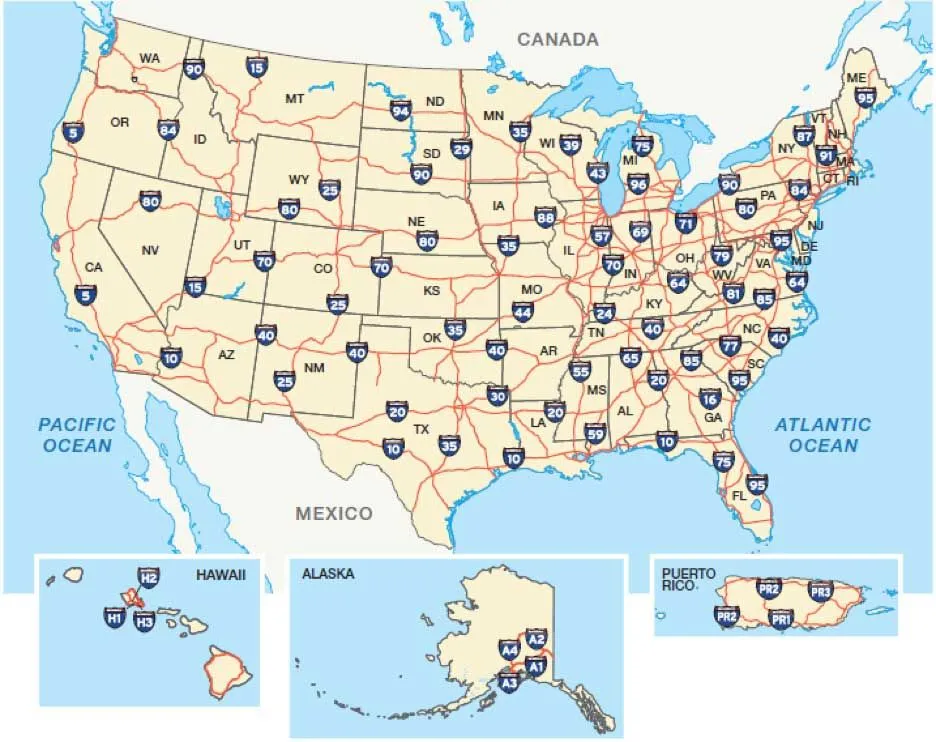 Photo: the interstate highway system, via i.pinimg.com
The Competitive Advantage No Chain Could Copy
When national fast-food franchises began saturating smaller Southern markets in the late 1960s and early 1970s, they brought with them everything Webb's operation wasn't: bright lighting, laminated menus, uniform sandwiches, and staff trained for speed rather than memory. Dozens of local diners folded.
Webb's counters didn't.
The reason, in retrospect, is almost painfully obvious. The chains were selling a product. Webb had spent two decades selling a relationship. His customers weren't choosing a sandwich — they were choosing a place where someone knew their name, their order, and sometimes more about their week than their neighbors did. That kind of loyalty isn't scalable. It can't be franchised. It can't be replicated by a regional manager with a clipboard.
Webb's disability had forced him to develop his memory and his relational instincts in ways that sighted competitors simply never had to. He couldn't read a customer's face or glance at a name tag. He had to listen. He had to remember. And over thirty years, that necessity became his most durable business strategy.
A Legacy Measured in Regulars
By the time Harold Webb retired in the early 1980s, his operation had grown to seven locations across three counties, employed dozens of people, and had a customer base so loyal that the local newspaper ran a front-page story when he stepped back from daily operations. He was, by any reasonable definition, a regional institution.
He never franchised. He never sought outside investment. He never appeared in a business school case study or gave a keynote speech about resilience.
He just showed up every morning, listened carefully, and remembered.
In a business world that has spent decades chasing the next scalable system, Harold Webb's lunch counter stands as a quiet argument for something simpler: that the most powerful competitive advantage is sometimes just making people feel genuinely seen — even when, especially when, you can't see them yourself.