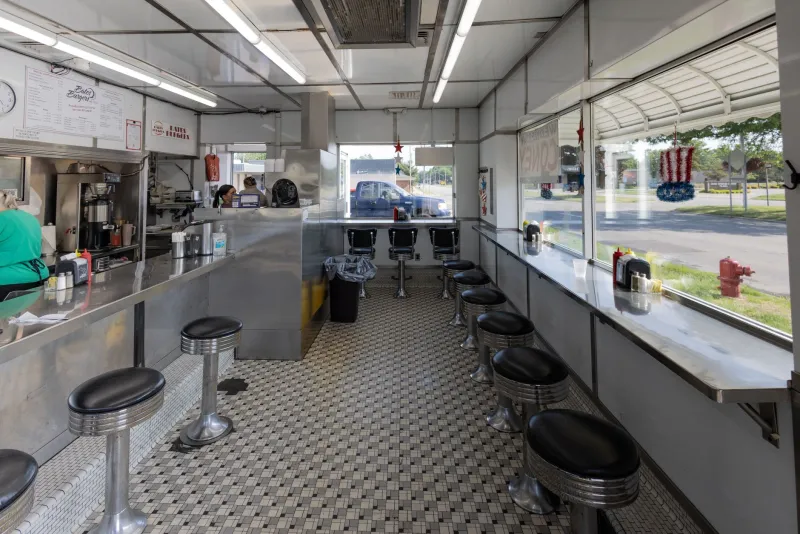
Worthless Land, Billion-Dollar Vision: Five Developers Who Saw Gold Where Everyone Else Saw Swamp
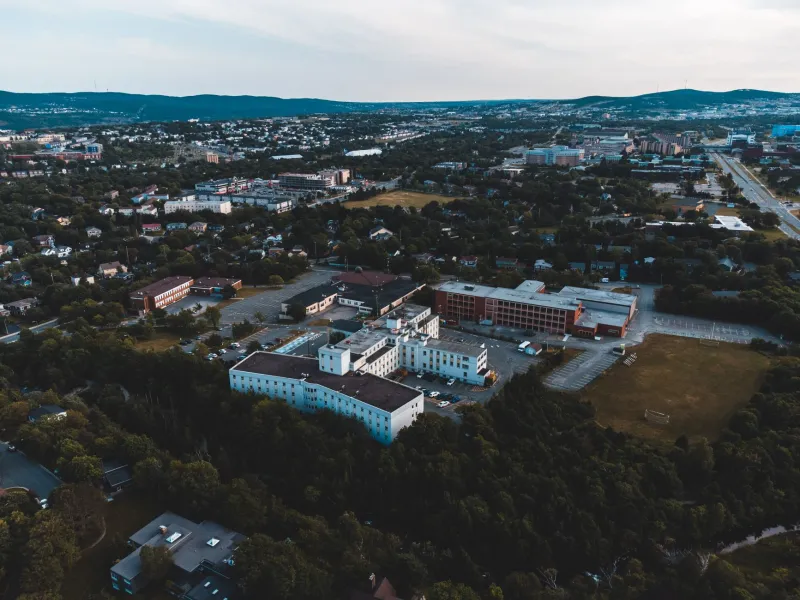
The Blind Spot in the Blueprint
America's most valuable zip codes didn't start out that way. Behind almost every thriving neighborhood, every booming district, every strip of commercial real estate that now commands eye-watering prices, there's usually an earlier chapter — one where the same land was dismissed, derided, or simply ignored by everyone with the money and credentials to act on it.
That's where the unlikely ones came in.
These five developers didn't have MBAs or connections at city hall. What they had was a different kind of sight — the ability to look at land that the establishment had written off and see not what it was, but what it could become. Their stories are about more than real estate. They're about what happens when the people everyone overlooks are the only ones paying close enough attention.
1. The Sharecropper's Son Who Bought the Flood Plain
In the 1940s, a stretch of low-lying land outside a mid-sized Southern city sat perpetually waterlogged after heavy rains. Local developers had surveyed it and moved on. The county had no plans for it. The banks wouldn't touch it as collateral.
Joseph Tatum had grown up working land that wasn't his, watching his father negotiate with landlords who held all the leverage. When he scraped together enough to buy the flood plain at a price that reflected its reputation — nearly nothing — everyone assumed he'd made a desperate mistake.
 Photo: Joseph Tatum, via media.bleacherreport.com
What Tatum understood, from a lifetime of watching water move across Southern soil, was that the flooding was seasonal and manageable. He spent years quietly improving drainage, one ditch at a time, using methods his family had used on sharecropped farmland for generations. By the early 1960s, the land was buildable. By the 1980s, the neighborhood that had grown up on it was one of the most sought-after addresses in the county.
Tatum never gave interviews. He sold parcels methodically, reinvested the proceeds, and died leaving an estate that stunned even his closest family members.
2. The Schoolteacher Who Bought the 'Cursed' Lots
Margarette Hollins had just finalized a divorce when she liquidated her share of the marital assets in the late 1950s. Her attorney advised her to put the money in savings. Her brother told her to buy a reliable car and move on with her life.
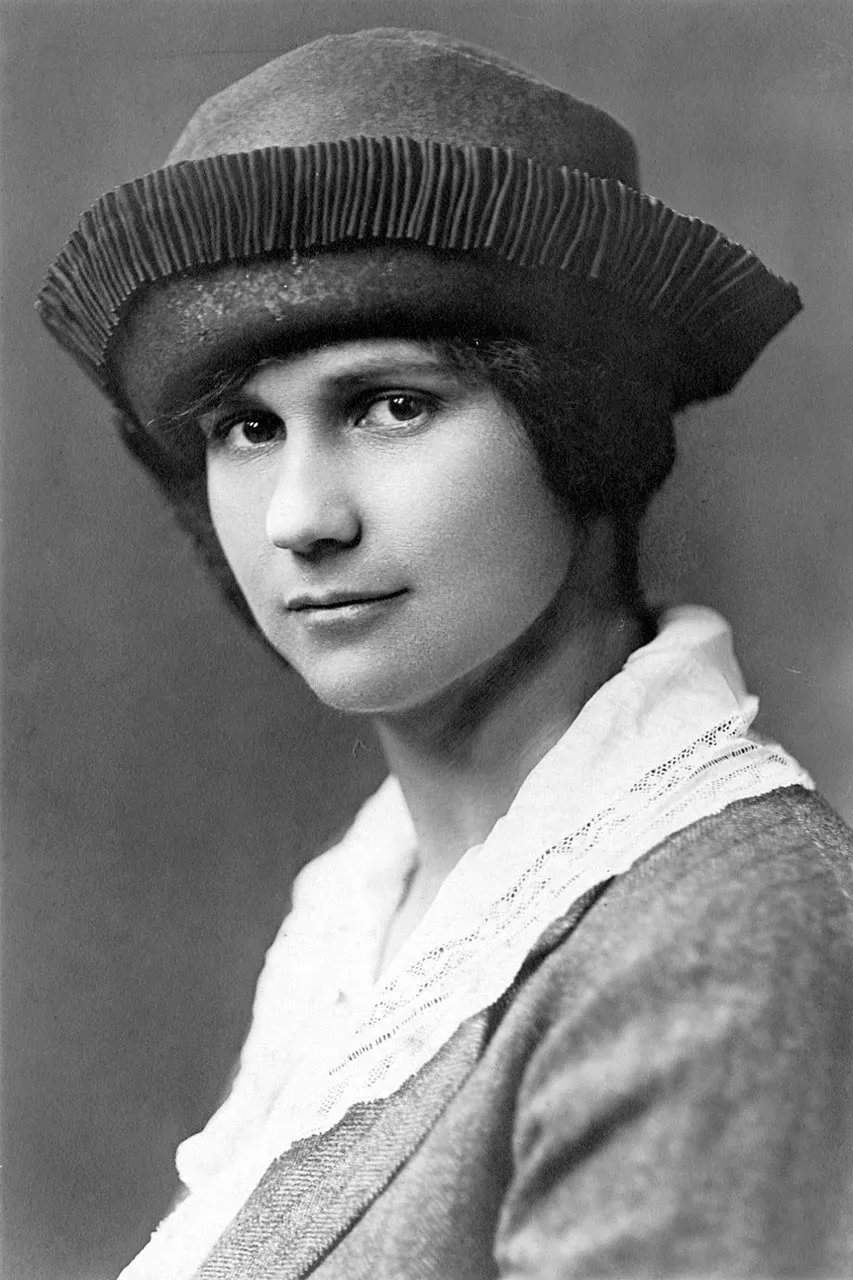 Photo: Margarette Hollins, via images.ctfassets.net
Instead, she spent nearly everything on six adjacent lots at the edge of a small Midwestern city — land that locals had quietly avoided for years after a factory fire had left the soil contaminated and the blocks abandoned. The price reflected the stigma. Nobody wanted to be associated with the 'burned lots.'
Hollins, who taught chemistry at the local high school, did something none of the professional developers had bothered to do: she actually read the soil remediation reports. The contamination, she determined, was far shallower and less extensive than the rumors suggested. She hired a remediation contractor — spending the last of her savings — and waited.
She waited seven years, teaching school during the day and attending every city planning meeting she could find at night. When the city eventually extended a new road corridor that ran directly past her lots, the value of her investment multiplied in ways she later described, with characteristic understatement, as "more than I expected."
3. The Hungarian Immigrant Who Saw a City in the Desert
Andras Fekete arrived in Arizona in the early 1960s with a suitcase, a working knowledge of English, and a background in civil engineering from Budapest. He found work quickly but spent his evenings driving the desert outskirts of a growing Sun Belt city, looking at land that the established development community considered too remote to be worth anything.
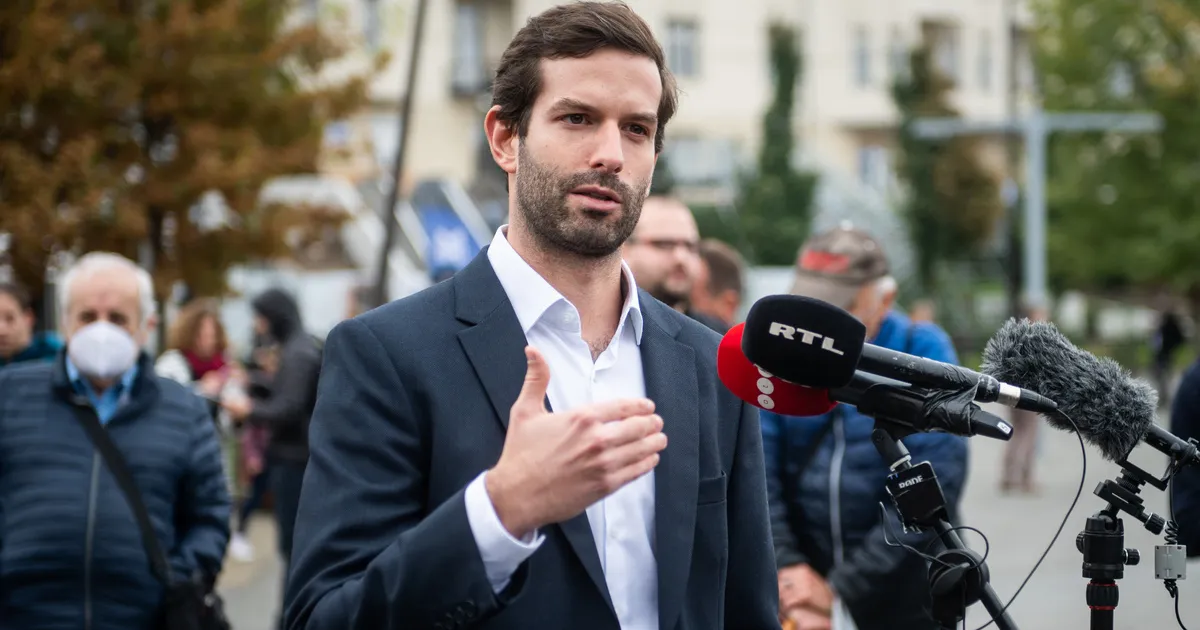 Photo: Andras Fekete, via kep.cdn.index.hu
Fekete had watched, in postwar Hungary, how cities expanded in directions nobody predicted. He understood infrastructure as a leading indicator — not a lagging one. When he learned that a new highway interchange was in early planning stages near a particularly barren stretch of desert scrubland, he moved fast. He pooled savings with two other immigrant families and bought as much of the surrounding land as they could afford.
The interchange was built. The suburb that followed turned Fekete's original investment into generational wealth. He spent the rest of his career buying land near infrastructure projects before the concrete was poured, becoming one of the most quietly successful developers in the Southwest — a man whose entire strategy was built on reading plans that were technically public but practically invisible to those who didn't know to look.
4. The Fishing Village Nobody Wanted to Save
In the early 1970s, a small coastal fishing community in the Pacific Northwest was widely considered finished. The cannery had closed. Young people were leaving. The wooden storefronts along the main street were boarded up or renting for almost nothing.
Dorothy Sung, a Chinese-American accountant who had grown up in San Francisco, drove through on a road trip and stopped for gas. She walked the empty main street for twenty minutes and then, on instinct she later struggled to fully articulate, called her sister and said she thought she'd found something.
Sung spent the next two years buying up as many of those storefronts as she could afford, often negotiating with sellers who were grateful just to have someone express interest. She had no development experience. She had accounting skills, a genuine love of the town's bones, and an emerging sense — drawn partly from watching San Francisco neighborhoods transform — that coastal character was becoming scarce and therefore valuable.
She renovated slowly, rented to artists and small food businesses at below-market rates to build foot traffic, and reinvested every dollar of return. The town became a destination. The storefronts Sung had bought for almost nothing became some of the most photographed real estate on the Pacific coast.
5. The Preacher Who Bought the 'Wrong Side' of the Tracks
Reverend Marcus Delray had no business background whatsoever when he began quietly purchasing vacant lots and derelict row houses in a mid-Atlantic city neighborhood in the early 1980s. The neighborhood had been officially redlined for decades. Banks wouldn't lend there. Insurers charged punishing rates. The city's own planning documents described the area as a "zone of managed decline."
Delray's congregation was based there. He wasn't buying for profit — at least not initially. He was buying because he was tired of watching absentee landlords extract rent from his community while letting properties deteriorate. He used church funds, personal savings, and small donations from congregation members to acquire properties one at a time, renovating them with volunteer labor and renting them affordably to families he knew.
What he didn't anticipate — though perhaps he should have — was that a neighborhood where someone was actively investing in the housing stock would eventually attract outside attention. By the time larger developers arrived with serious money, Delray held enough of the neighborhood's real estate to negotiate from a position of genuine strength. The community he'd been trying to protect ended up partially gentrified anyway — a outcome he's spoken about with complicated feelings — but the foundation he'd built ensured that longtime residents had more options and more stability than they would have had otherwise.
What They Knew That the Experts Didn't
None of these five people had conventional real estate credentials. What they shared was something harder to quantify: a willingness to look carefully at what others had already dismissed, combined with enough personal context — from sharecropping, from chemistry class, from postwar Europe, from a road trip, from decades in a neighborhood — to see past the stigma to the underlying reality.
America's most valuable land wasn't always that way. Someone decided to believe in it first. More often than not, that someone was the last person the experts would have picked.