Margins of Genius: The Junkyard Philosopher Whose Scribbled Notes Ended Up at Harvard

The Man Behind the Metal
Elmore Pickett didn't look like a business theorist. Most days, he wore the same canvas work shirt, sun-bleached to the color of old bone, and moved through his South Carolina junkyard with the unhurried authority of a man who had long ago made peace with his surroundings. The yard sat just outside Orangeburg, a sprawling acre of rusted chassis, stripped appliances, and salvaged copper wire that Pickett ran from the late 1950s until his death in 2003. From the outside, it was just a junkyard. From the inside, it was something else entirely.
Pickett had never finished high school. Money ran out, family obligations ran over, and formal education became one of those things that happened to other people. But he read. Voraciously, obsessively, and entirely on his own terms. He bought secondhand books at church sales and estate auctions — economics texts, management guides, biographies of industrialists — and he read every one of them with a pencil in hand.
The margins were where the real work happened.
A Library Nobody Asked For
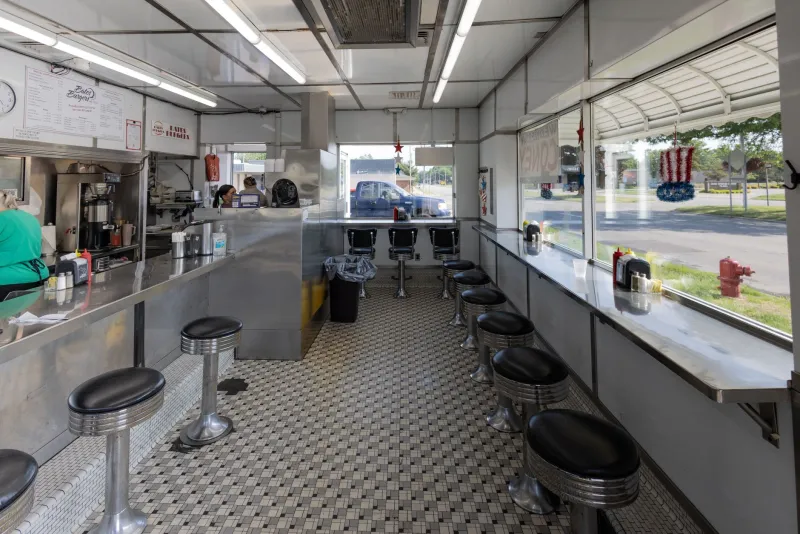
By the time Pickett's daughter, Rosalind, began sorting through his belongings after his passing, she'd found over three hundred annotated books stacked in wooden crates behind his office — a converted trailer with a space heater and a hand-lettered sign that read Fair Prices, Honest Weight. Some of the annotations were simple corrections. A lot of them were arguments. And a surprising number of them were entirely original frameworks that Pickett had developed to explain what he observed every single day in his yard.
He wrote about what he called "the real price of friction" — the hidden costs that accumulate when people in a transaction don't trust each other. He sketched out diagrams of supply chains using the scrap metal trade as his model, noting decades before it became academic shorthand that the people closest to the raw material almost never captured the most value from it. He wrote about customer psychology with a plainness that academic writing rarely achieves: A man who thinks he's getting a deal will come back. A man who knows he got cheated will bring his cousins.
Rosalind, who taught middle school math in Columbia, didn't know what to make of it all. She boxed it up and called a local college.
The Professor Who Stopped His Car
Dr. Warren Ashby was a visiting professor of organizational behavior at the University of South Carolina, in town for a semester-long fellowship, when a colleague mentioned the Pickett collection almost as a footnote. Ashby, who had spent two decades studying informal economic systems in developing markets, drove out to Orangeburg on a Tuesday afternoon expecting to spend an hour being polite.
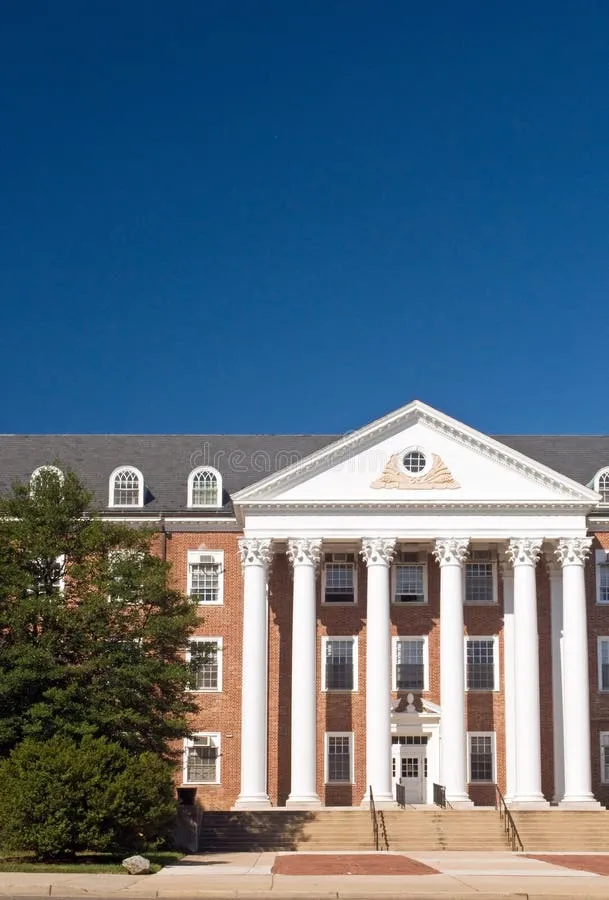 Photo: University of South Carolina, via thumbs.dreamstime.com
He stayed for three days.
"What struck me immediately was the coherence," Ashby later wrote in the introduction to the paper that would eventually become a Harvard Business School case study. "These weren't random observations. They were a system. A man with no formal training had independently arrived at conclusions that mirrored — and in some cases preceded — frameworks being debated in peer-reviewed journals."
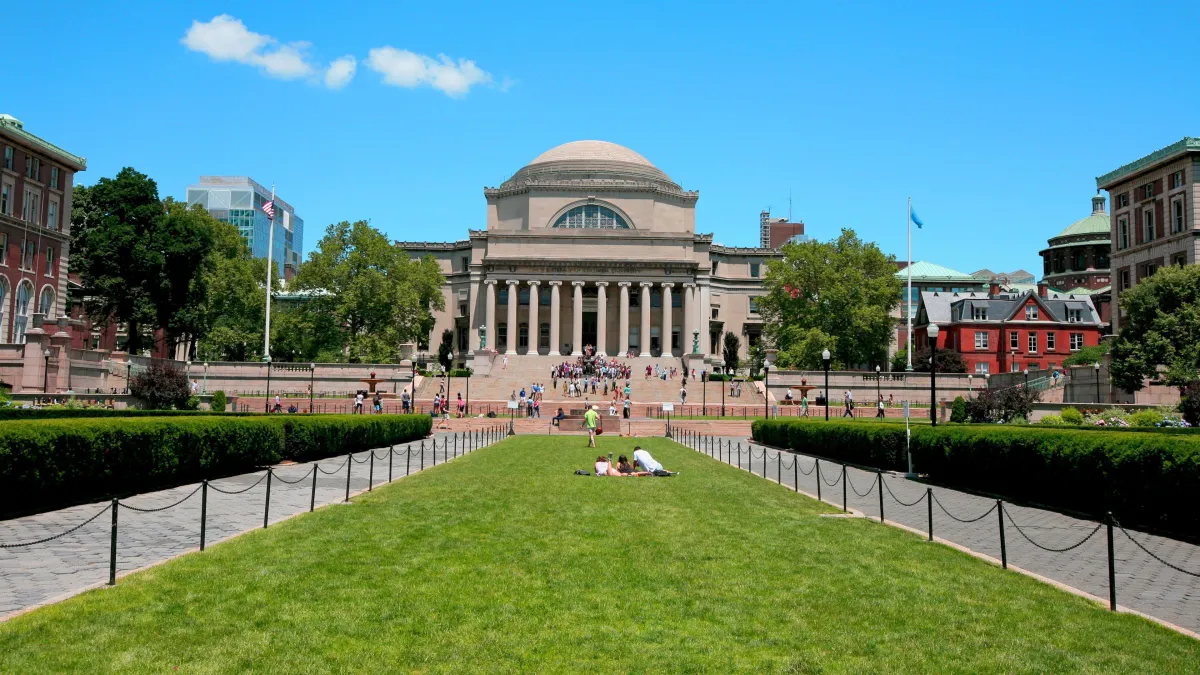 Photo: Harvard Business School, via wallpapercave.com
Pickett had essentially reinvented several concepts from behavioral economics and supply chain theory, not through academic research but through forty years of watching how people behaved when money, trust, and necessity were all in the same room at the same time.
What the Junkyard Actually Taught
The thing about working in scrap is that you see everything at its end. Businesses closing, estates settling, the physical evidence of financial decisions made years earlier. Pickett processed the wreckage of farms that had over-leveraged, factories that had cut corners on maintenance, households that had confused consumption with wealth. Every load that came through his gate was a story, and he paid attention to all of them.
His notes on what he called "the vanity premium" — the tendency for people to overpay for things that signal status and underpay for things that actually work — were particularly striking to Ashby. Pickett had observed this pattern in the difference between what people sold and what they kept, between the cars they traded in and the appliances they held onto. He hadn't read Thorstein Veblen. He'd just watched people.
His framework for what he termed "trust depreciation" — the idea that trust, like metal, corrodes over time without maintenance — became the backbone of Ashby's case study. The Harvard version ran to forty pages and cited seventeen academic sources. Pickett's original version ran to eleven lines in the margin of a 1967 management textbook.
The Question That Lingers
The Harvard case study, published in 2008, identified Pickett only as "E.P., a self-educated scrap dealer from the American South." Ashby has said in interviews that he made that choice to protect the family's privacy, though Rosalind has since said publicly that she wishes her father had been named. He deserved the credit, she argues. She's right.
There's a version of this story that's simply inspiring — the unschooled genius whose brilliance found its way to the halls of power regardless. And it is inspiring. But it's also a little uncomfortable. Because Pickett didn't need Harvard to validate his thinking. His thinking was valid the moment he wrote it down. What Harvard provided was an audience, and the uncomfortable question is why that audience required an intermediary.
The people closest to the ground — the ones sorting the scrap, watching the waste, counting the real costs — often understand systems with a clarity that altitude obscures. Elmore Pickett knew that. He wrote it in the margins, in pencil, in a junkyard outside Orangeburg, and he was right.
The books are held now in a small archive at a historically Black college in South Carolina. The space heater still works. The sign still says Fair Prices, Honest Weight.