The Flaws That Built Fortunes: When America's Biggest Weaknesses Became Their Greatest Strengths

The Power of Being Different
In a business world obsessed with polish and perfection, five Americans discovered something counterintuitive: their most embarrassing flaws became their most valuable assets. While competitors delivered smooth pitches and flawless presentations, these entrepreneurs found that authenticity—even awkward authenticity—created deeper connections than any sales technique.
Their stories challenge everything we think we know about professional success. Sometimes the marketplace rewards exactly what the interview room rejects.
Harold Chen: The Stutter That Sold a Million
Harold Chen's stutter was so severe that ordering coffee became an ordeal. Job interviews were torture. When he finally landed a position at Metropolitan Life Insurance in 1967, his supervisor assigned him to filing—anything to keep him away from clients.
 Photo: Harold Chen, via miro.medium.com
But Harold had bills to pay and ambition to match. Against company policy, he began making sales calls.
The results were extraordinary. Harold's stutter forced him to slow down, choose words carefully, and listen more than he spoke. Clients found his vulnerability disarming. Unlike smooth-talking competitors who felt like predators, Harold seemed genuinely concerned about their needs.
"People trusted me because I obviously wasn't trying to trick them," Harold recalls. "I couldn't talk fast enough to be slick."
By 1975, Harold was Metropolitan's top salesman. His stutter became his signature—clients specifically requested "the guy who talks slow." Over his thirty-year career, Harold sold over a million policies, earning company records that still stand today.
His secret? The stutter forced authentic conversations. While competitors rushed through presentations, Harold's halting speech created space for clients to ask questions, express concerns, and feel heard. His perceived weakness became his greatest strength.
Margaret Sullivan: Shyness as Strategy
Margaret Sullivan was so shy she'd cross streets to avoid casual conversations. But in 1954, she inherited her father's small jewelry store in Boston's Back Bay—and discovered that extreme introversion could be a luxury retail superpower.
 Photo: Boston's Back Bay, via c8.alamy.com
While competitors employed aggressive salespeople, Margaret's shyness created an entirely different shopping experience. She spoke softly, listened carefully, and never pressured customers. Her discomfort with small talk meant conversations focused entirely on clients' needs and preferences.
"Margaret made you feel like you were the only customer in the world," remembers longtime client Eleanor Whitman. "She was so attentive, so focused. You never felt like she was trying to sell you anything—just helping you find exactly what you wanted."
Margaret's approach attracted Boston's most discerning customers. Her quiet intensity signaled expertise and exclusivity. Clients began bringing friends specifically to experience her unique service style.
By 1980, Sullivan's Fine Jewelry had expanded to three locations and served customers from across New England. Margaret never overcame her shyness—she simply transformed it into the foundation of a luxury retail empire.
David Rodriguez: Dyslexia and the Art of Simplicity
David Rodriguez couldn't read until age twelve. Severe dyslexia made traditional education a nightmare, but it gave him an unexpected gift: the ability to explain complex ideas simply.
In 1982, David started a small computer training business in Phoenix. While competitors used technical jargon and complex manuals, David's dyslexia forced him to break everything down into basic, visual components.
"I couldn't understand the fancy explanations, so I had to figure out simpler ways to teach things," David explains. "Turned out, my students couldn't understand the fancy explanations either."
David's training methods—heavy on diagrams, light on text, focused on practical applications—attracted students who'd failed with traditional programs. His dyslexia-influenced teaching style made technology accessible to people who thought they "weren't computer people."
By 1995, Rodriguez Computer Training had twelve locations across the Southwest. David's learning disability had become his competitive advantage—forcing him to develop teaching methods that worked for everyone, not just natural learners.
Patricia Washington: Deafness and the Power of Observation
Patricia Washington lost her hearing in a childhood accident. In 1970, she started working as a seamstress in New York's Garment District—and discovered that deafness could be a business superpower.
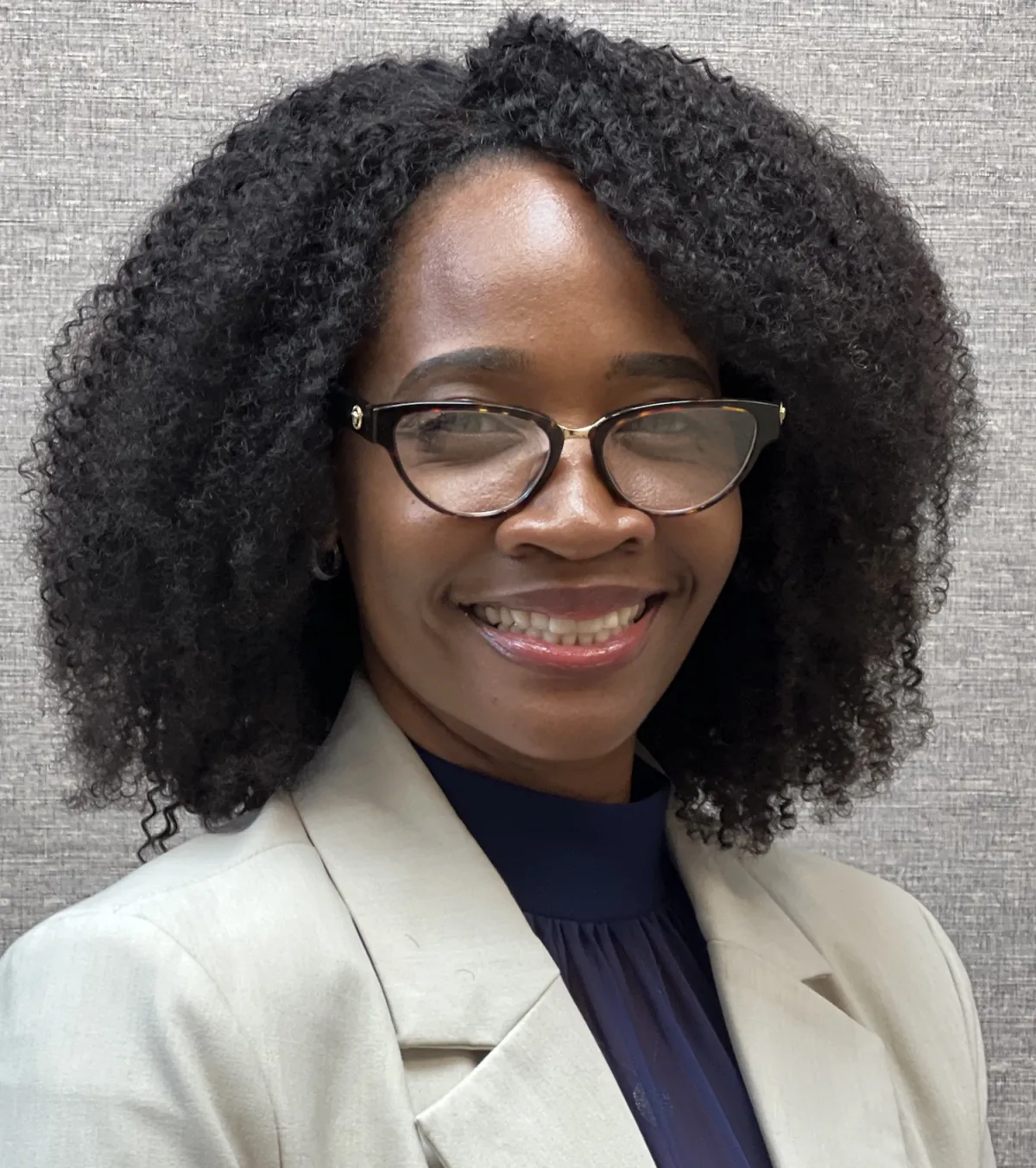 Photo: Patricia Washington, via hillside.com
While hearing employees got distracted by conversations and workplace drama, Patricia focused entirely on visual details. She noticed fabric flaws others missed, caught construction problems before they became costly mistakes, and developed an almost supernatural ability to read clients' body language.
"Patricia could look at someone and know exactly what they wanted," recalls former colleague Maria Santos. "She'd study how they moved, how they held themselves, and create clothes that fit their personality perfectly."
Patricia's attention to visual detail attracted high-end clients who valued precision and craftsmanship. Her deafness eliminated small talk, creating an intense focus that clients found both professional and reassuring.
In 1985, Patricia opened her own atelier. Her disability-driven attention to detail built a client list including Broadway performers, business executives, and society figures. Her deafness hadn't limited her career—it had defined her excellence.
Thomas Mitchell: Social Anxiety and the Trust Factor
Thomas Mitchell's social anxiety was so severe he'd cancel meetings rather than face groups of people. But in 1978, he discovered that his discomfort with traditional networking could be a financial planning advantage.
While competitors worked cocktail parties and golf courses, Thomas built his practice through one-on-one relationships. His anxiety forced him to prepare thoroughly for every client meeting, research every recommendation, and focus entirely on individual needs rather than broad networking.
"Tom never felt like a salesman," says longtime client Robert Hayes. "He was so obviously uncomfortable with the schmoozing part that you knew he was only interested in doing right by you."
Thomas's social anxiety created an unexpectedly authentic business model. Clients trusted him precisely because he seemed incapable of manipulation or false charm. His discomfort with groups made individual relationships feel more valuable and exclusive.
By 1990, Thomas managed over $50 million in client assets—all built through referrals from clients who appreciated his anxious authenticity over competitors' polished presentations.
The Authenticity Advantage
These five Americans discovered something the business world rarely acknowledges: imperfection can be more powerful than polish. Their disabilities, anxieties, and social challenges forced them to develop approaches that felt more human, more trustworthy, and ultimately more effective than traditional business methods.
In a marketplace saturated with smooth presentations and perfect pitches, authenticity—even awkward authenticity—created genuine connections. Their perceived weaknesses became their greatest strengths, proving that success often comes not from overcoming our flaws, but from transforming them into advantages.
Sometimes the best business strategy is simply being genuinely, imperfectly human.