The Woman Who Made Banks Irrelevant Before Anyone Knew They Could Be

The Mathematics of Exclusion
Margaret Washington knew the exact distance from her front door to the nearest bank that would serve someone who looked like her: eight miles and thirty years. It was 1952 in Birmingham, Alabama, and while the civil rights movement was still gathering steam, the financial world had already delivered its verdict on Black Americans seeking capital. The answer was simple and universal: no.
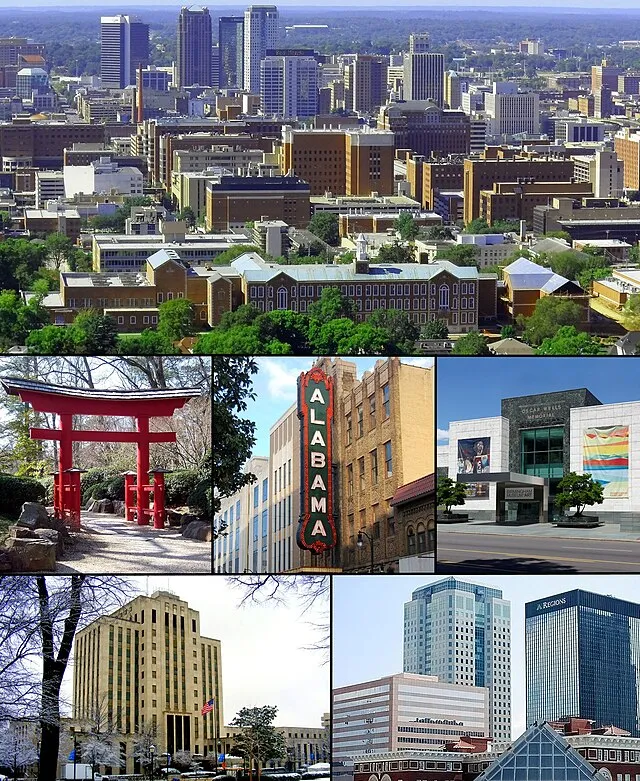 Photo: Birmingham, Alabama, via upload.wikimedia.org
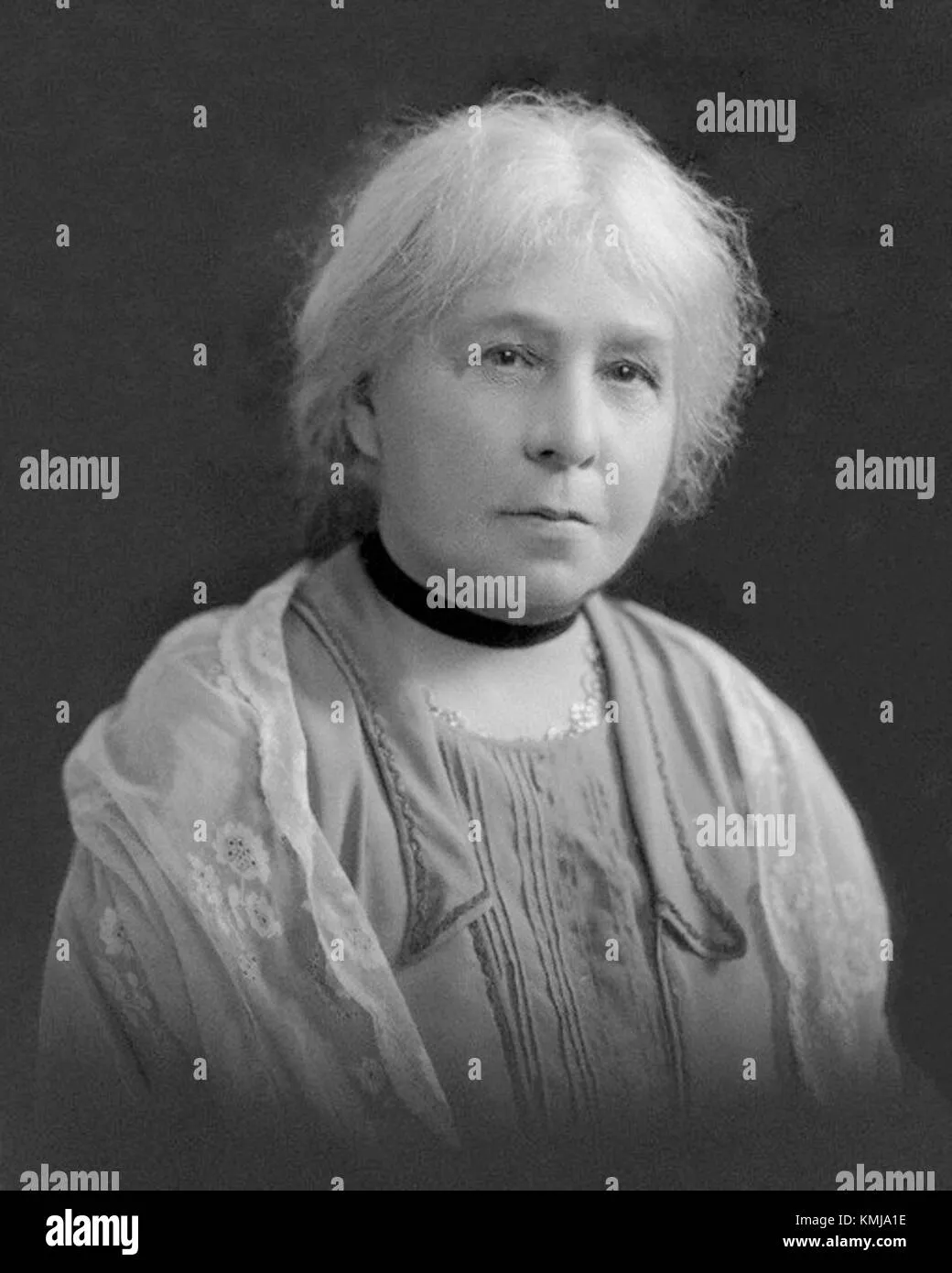 Photo: Margaret Washington, via c8.alamy.com
But Margaret had a problem that couldn't wait for social progress. Her neighbor's house had burned down, her cousin needed money to start a catering business, and her own daughter required funds for nursing school. The banks said no to all of them. So Margaret said yes instead.
What started as a kitchen table conversation between friends would eventually reshape American finance. Margaret just didn't know it yet.
Building Trust When Systems Fail
Margaret's innovation was born from necessity, but it was perfected through understanding human nature in ways that traditional banks never bothered to learn. She started with ten women from her neighborhood, each contributing five dollars every week to a common pool. Every month, one member would receive the entire accumulated amount – fifty dollars that could change a life.
But Margaret's system had features that made it more sophisticated than anything the formal banking sector offered to her community. Members weren't just borrowers or savers; they were guarantors of each other's success. If someone fell behind on contributions, the group worked together to help them catch up. If someone needed their payout early for an emergency, the group voted on whether to adjust the schedule.
Most revolutionary of all: there was no interest, no credit checks, and no collateral required. The only currency was trust, and Margaret had figured out how to make that trust profitable for everyone involved.
When Word Spreads, Systems Scale
By 1955, Margaret was running twelve different circles, each with different contribution amounts and payout schedules. She had circles for women saving for their children's education, circles for men starting small businesses, and circles for families saving for down payments on houses. Each circle developed its own culture, its own support network, and its own success stories.
The beauty of Margaret's system was its flexibility. Unlike banks, which offered rigid loan terms to customers who met specific criteria, Margaret's circles adapted to the needs of their members. A circle saving for Christmas presents operated differently from one focused on business investment. Members could graduate from smaller circles to larger ones as their financial situations improved.
Margaret kept meticulous records in composition notebooks, tracking every contribution, every payout, and every success story. Her dining room table became an informal financial institution that served more families in her neighborhood than any bank ever had.
The Economics Professor Who Noticed
In 1958, a young economics graduate student named Robert Chen was researching informal financial systems in developing countries when a colleague mentioned Margaret's circles. Chen was skeptical – surely such a simple system couldn't be as effective as the sophisticated banking infrastructure America had built.
 Photo: Robert Chen, via www.wfmt.com
But when Chen visited Margaret and examined her records, he found something remarkable: her default rate was virtually zero. Her members saved more consistently than traditional bank customers, and they used their payouts more strategically. Most surprising of all, the social bonds formed within the circles created ongoing business relationships that generated wealth throughout the community.
Chen wrote his doctoral dissertation on Margaret's system, calling it "rotating savings and credit associations" and noting their potential for financial inclusion. His academic paper caught the attention of development economists who began studying similar systems in other countries. But Chen never mentioned Margaret by name in his research, and when the academic community began discussing ROSCAs as an innovative approach to microfinance, Margaret's contribution was quietly erased from the story.
When Innovation Becomes Institution
Throughout the 1960s and 1970s, Margaret's circles continued to grow and evolve. She developed more sophisticated record-keeping systems, created emergency funds for members facing crises, and even established partnerships with local businesses that offered discounts to circle members. Her dining room table had become the hub of an alternative financial ecosystem.
Meanwhile, the mainstream financial industry was slowly discovering what Margaret had known for decades: traditional banking wasn't serving large segments of the American population effectively. Inner-city communities, rural areas, and immigrant populations were creating their own informal financial networks out of necessity.
By the 1980s, major banks were studying these informal systems and incorporating their principles into new products. Community development financial institutions began offering "circle loans" and "peer-to-peer lending." Credit unions adopted rotating savings programs. Microfinance organizations used group lending models that looked remarkably similar to what Margaret had been doing for thirty years.
The Revolution That Happened in Plain Sight
Margaret never thought of herself as a financial innovator. She was simply solving problems for people she cared about, using principles that made sense to her: mutual support, shared responsibility, and the understanding that everyone deserves a chance to improve their circumstances.
But her kitchen table revolution had quietly demonstrated something that would take the financial industry decades to acknowledge: the most effective lending often happens between people who know and trust each other, and the best financial systems are built around community rather than profit.
Today, peer-to-peer lending platforms, community development finance, and microfinance institutions all use principles that Margaret pioneered in her Birmingham dining room. Online lending circles, mobile money systems, and cryptocurrency cooperatives all echo the fundamental insight that Margaret discovered: when traditional systems exclude people, those people will build better systems themselves.
The Credit That Never Came
Margaret Washington died in 1987, still running her circles from the same dining room table where she'd started thirty-five years earlier. Her obituary in the local newspaper mentioned her work with community organizations but said nothing about her role in developing innovative financial systems.
By then, the principles she'd pioneered were being taught in business schools as cutting-edge approaches to financial inclusion. Development economists were winning awards for research into rotating savings and credit associations. Fintech entrepreneurs were raising millions to build apps that digitized the exact same peer-to-peer lending models Margaret had perfected with pencil and paper.
The woman who had made banks irrelevant before anyone knew they could be had become invisible to the very industry she'd helped transform. But in Birmingham, and in countless other communities where her model had been quietly adopted, Margaret's legacy lived on in the form of dreams funded, businesses started, and families lifted out of poverty through the simple revolutionary act of people helping people.
Sometimes the most profound innovations happen not in boardrooms or laboratories, but around kitchen tables where necessity meets imagination, and exclusion becomes the mother of invention.