From Trash to Table: The Sanitation Worker Whose Curbside Education Built a Culinary Dynasty
The University of the Garbage Route
Marcus Williams never intended to become a chef. For fifteen years, he worked the predawn sanitation routes through Memphis's wealthiest neighborhoods, watching the sun rise over manicured lawns while emptying trash bins that cost more than his monthly paycheck. But Marcus had a habit that his coworkers found peculiar: he couldn't resist rescuing books from the garbage.
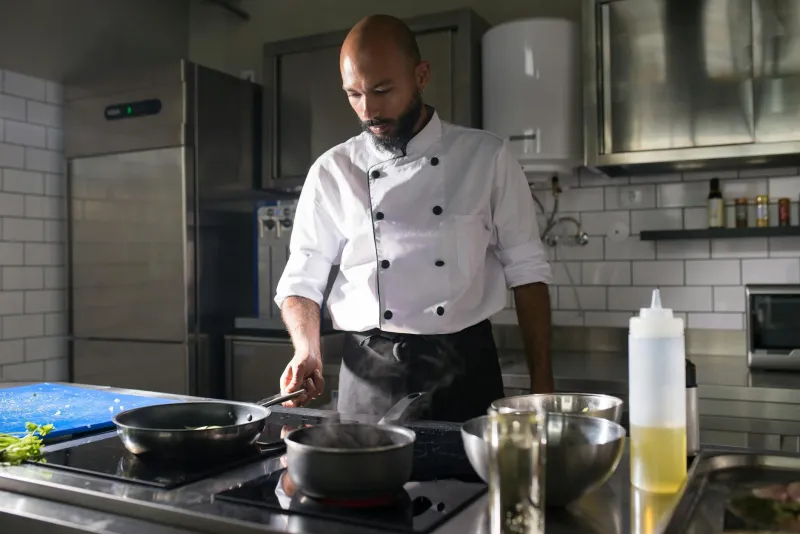
 Photo: Marcus Williams, via wallpapers.com
"People throw away the damnedest things," Marcus would say, loading another cookbook into his truck's cab. "Julia Child, Jacques Pépin, books that cost sixty, seventy dollars new. Just sitting there with the coffee grounds."
What started as curiosity became obsession. By 2010, Marcus had accumulated over 800 cookbooks, food magazines, and culinary textbooks—an entire library pulled from Memphis curbsides. His small apartment overflowed with volumes on French technique, molecular gastronomy, and regional American cooking. His wife, Denise, worried about the fire hazard. Marcus worried about wasting knowledge.
"I'd get home at two in the afternoon and just read," Marcus recalls. "I'd try recipes on weekends, experiment with techniques. My garbage route became my graduate program."
The Flavor of Necessity
Marcus's unconventional culinary education shaped his cooking philosophy in ways traditional training never could. While classically trained chefs learned to source premium ingredients, Marcus mastered the art of transformation—turning overlooked cuts and forgotten vegetables into extraordinary dishes.
His breakthrough came during the 2008 recession. With money tight and groceries expensive, Marcus began applying fine dining techniques to budget ingredients. Tough cuts of meat became tender through slow braising methods he'd learned from a discarded copy of "Mastering the Art of French Cooking." Wilted vegetables found new life in stocks and reductions inspired by professional kitchen manuals.
"When you're feeding a family on a sanitation worker's salary, you don't waste anything," Marcus explains. "But I had these books teaching me how to make everything special. How to turn necessity into luxury."
Friends and neighbors began requesting Marcus's cooking for special occasions. Word spread through Memphis's tight-knit communities about the garbage man who cooked like he'd trained in Paris. Soon, Marcus was catering church events, birthday parties, and family reunions—all while maintaining his day job.
Building an Empire, One Route at a Time
In 2012, Marcus used his savings to open a small takeout counter in South Memphis. "Route 47"—named after his garbage route—served elevated comfort food at working-class prices. The menu reflected Marcus's unique perspective: dishes that honored Southern traditions while incorporating techniques from his curbside cookbook collection.
The restaurant's signature dish, "Trash Can Chicken," became legendary. The name referenced Marcus's origin story, but the preparation—a complex process involving herb brines, careful temperature control, and finishing techniques borrowed from molecular gastronomy texts—elevated simple poultry into something extraordinary.
"People would drive across town for that chicken," says food critic Angela Morrison, who first reviewed Route 47 in 2013. "Marcus had this way of making familiar food feel completely new. You could taste the technique, but it never felt pretentious."
Route 47's success allowed Marcus to quit sanitation work and focus entirely on cooking. He opened two additional locations, each featuring menus that combined sophisticated technique with accessible ingredients and prices.
Recognition at the Highest Level
In 2019, Route 47's flagship location received Memphis's first Michelin recognition in over a decade. The review praised Marcus's "intuitive understanding of flavor development" and "masterful technique applied to humble ingredients."
For Marcus, the recognition validated not just his cooking, but his unconventional path to expertise. "Those books taught me that good cooking isn't about expensive ingredients or fancy equipment," he reflects. "It's about understanding why techniques work, then applying them thoughtfully."
Today, Marcus employs forty-three people across his three restaurants. He's written his own cookbook—"Curbside Cuisine"—and teaches cooking classes at Memphis community colleges. But he still maintains relationships with sanitation workers throughout the city, who occasionally drop off interesting cookbooks they've rescued from their routes.
Lessons from the Margins
Marcus Williams's story challenges assumptions about expertise and education. While culinary schools teach standardized techniques and restaurant hierarchies, Marcus learned by doing—experimenting with methods from dozens of different traditions, unencumbered by conventional wisdom about "proper" approaches.
"When you learn from books instead of teachers, you don't inherit anyone else's limitations," Marcus observes. "I combined French techniques with Southern ingredients because no one told me I couldn't. I used molecular gastronomy methods on comfort food because the books didn't say it was wrong."
His success demonstrates that expertise can develop outside traditional institutions—sometimes more creatively and authentically than within them. Marcus's curbside education gave him something no culinary school could: complete intellectual freedom to experiment and combine influences without regard for conventional boundaries.
The Memphis sanitation worker who became a Michelin-recognized chef proves that knowledge has no expiration date—and that America's most original thinkers often emerge from its most overlooked corners. Sometimes the best education really is what others throw away.